Choppy hairstyles over 50 offer an appealing way to introduce movement, dimension, and personality without depending on complicated styling. Strategically cut layers can remove unwanted heaviness, create fullness around the crown, and give the ends a lighter appearance. Whether you prefer a short pixie, versatile bob, shoulder-length cut, or longer layers, choppy texture can be adapted to suit different hair densities and natural patterns.
These hairstyles also provide plenty of flexibility for personal expression. Soft, blended pieces create understated movement, while stronger disconnected layers produce a more dramatic finish. Bangs, highlights, waves, and different partings can further customize the shape, making choppy haircuts remarkably versatile for women over 50.
What Gives Choppy Cuts Their Lasting Modern Edge
Choppy hairstyles continue to resonate because their layered construction creates movement even when styling remains relatively simple. Carefully positioned pieces can make finer hair appear more dimensional, while thicker textures benefit from strategic weight removal. The result feels deliberately shaped without requiring every strand to sit perfectly.
Their adaptability also helps these cuts remain current. A choppy bob can shift from smooth and sophisticated to tousled and relaxed, while pixies can become soft or edgy depending on styling. Rather than following one temporary trend, choppy layering provides a technique that can continuously evolve around individual texture and preferences.
Choppy Layered Bob
A choppy layered bob brings movement to shorter hair through irregular sections that create visible separation around the sides and ends. Keeping some fullness through the perimeter prevents the haircut from appearing overly thin while allowing individual layers to stand out naturally.
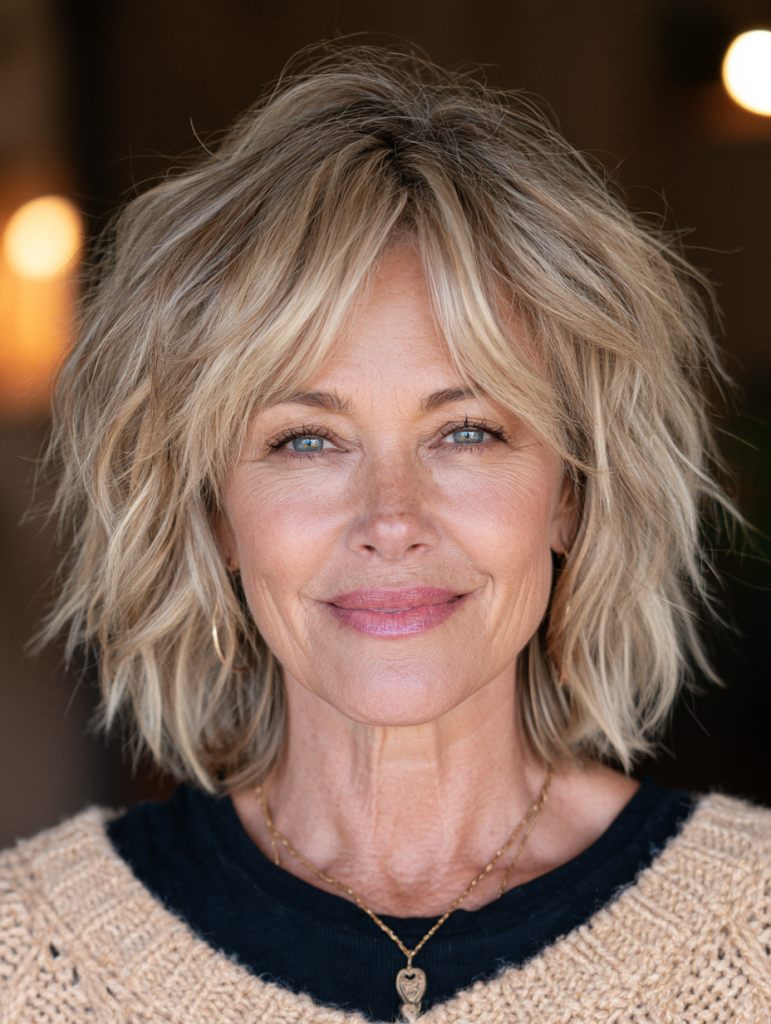
For women over 50, this combination can provide manageable length with plenty of styling flexibility. Apply lightweight texture cream through dry hair, concentrating on selected ends instead of coating every strand. Gentle finger styling maintains separation and gives the bob its relaxed, contemporary character.
Textured Choppy Pixie
Short, separated layers give a choppy pixie its lively character while creating natural-looking volume around the crown. Slightly longer pieces through the top provide enough flexibility for tousled, swept, or softly lifted styling depending on the occasion.
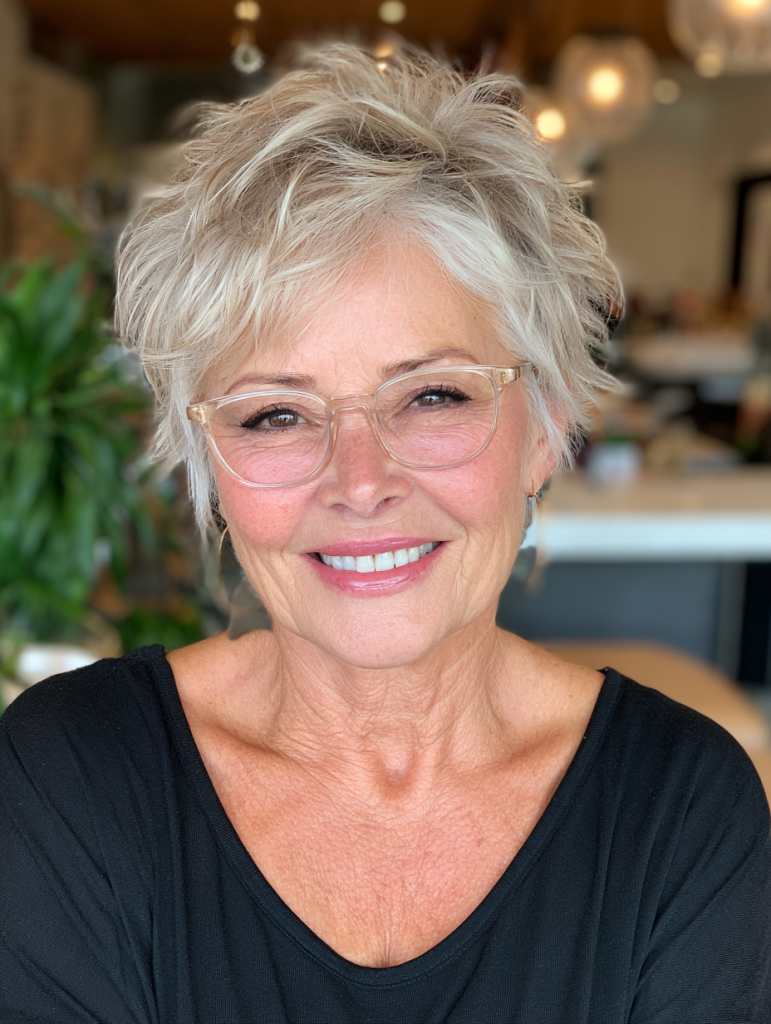
A small amount of styling paste can emphasize individual sections without making the hair stiff. Begin with minimal product and add more only where additional definition is needed. Keeping the sides relatively neat balances the textured crown, resulting in a confident short hairstyle with structure, movement, and easy everyday manageability.
Choppy Bob with Side Bangs
Side bangs soften a choppy bob by creating diagonal movement across the forehead before blending into textured sections near the cheekbones. Their longer proportions complement irregular layers while providing flexibility to sweep, tuck, or gently curve the fringe.
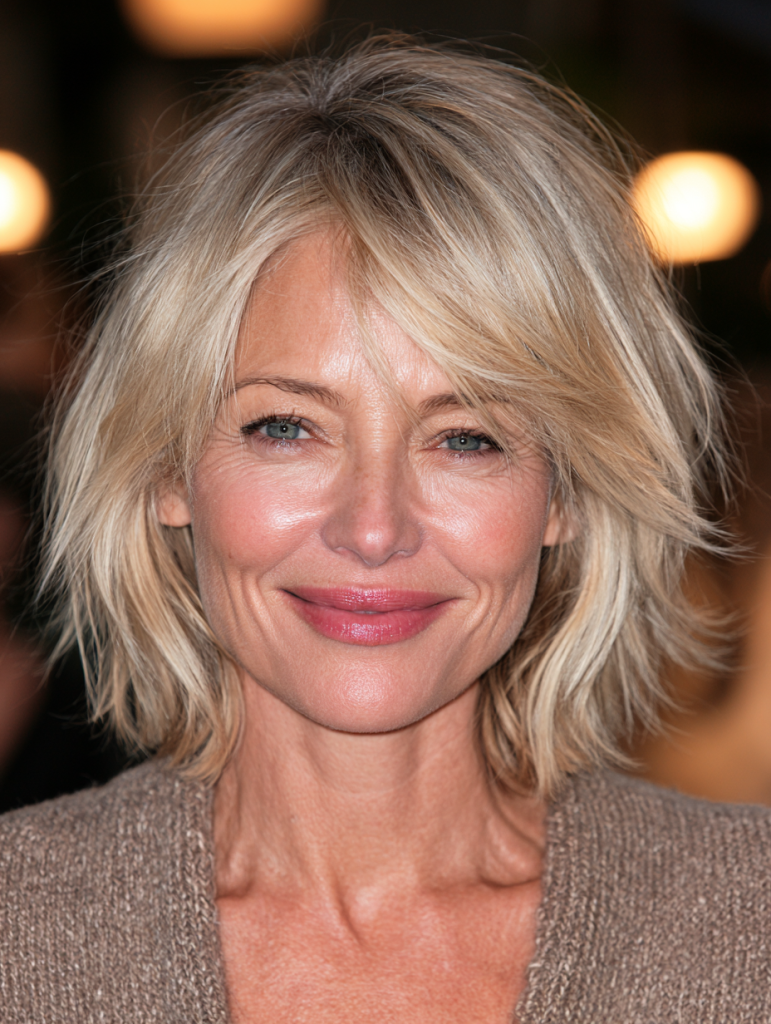
Use a round brush to create subtle root lift through the bangs, then style the remaining bob with loose bends. Avoid making every section identical because variation highlights the choppy construction. Lightweight finishing spray preserves movement while helping the hairstyle maintain its deliberately relaxed shape throughout the day.
Short Choppy Shag
A short choppy shag combines abundant crown layering with lighter pieces around the ears and neckline. The intentionally varied lengths create natural volume while giving the haircut a carefree personality that works especially well with slightly wavy or textured hair.
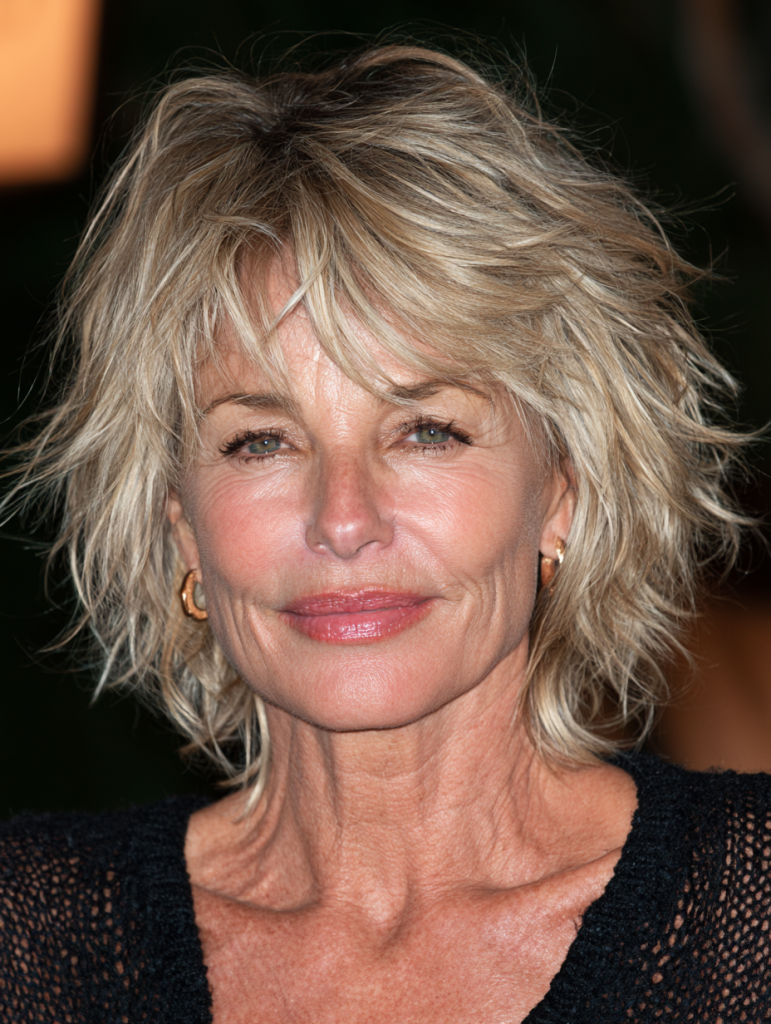
Styling should enhance movement rather than flatten the individual layers. Work mousse through damp strands, scrunch gently, and allow natural texture to develop while drying. Once finished, lift the crown with your fingertips and separate several ends, creating an airy silhouette with noticeable definition and approachable everyday character.
Choppy Pixie with Long Bangs
Long bangs introduce softness and versatility to a choppy pixie while maintaining the practicality of shorter sides and back. The extended fringe can sweep dramatically across the forehead, creating contrast against the more heavily textured crown sections.
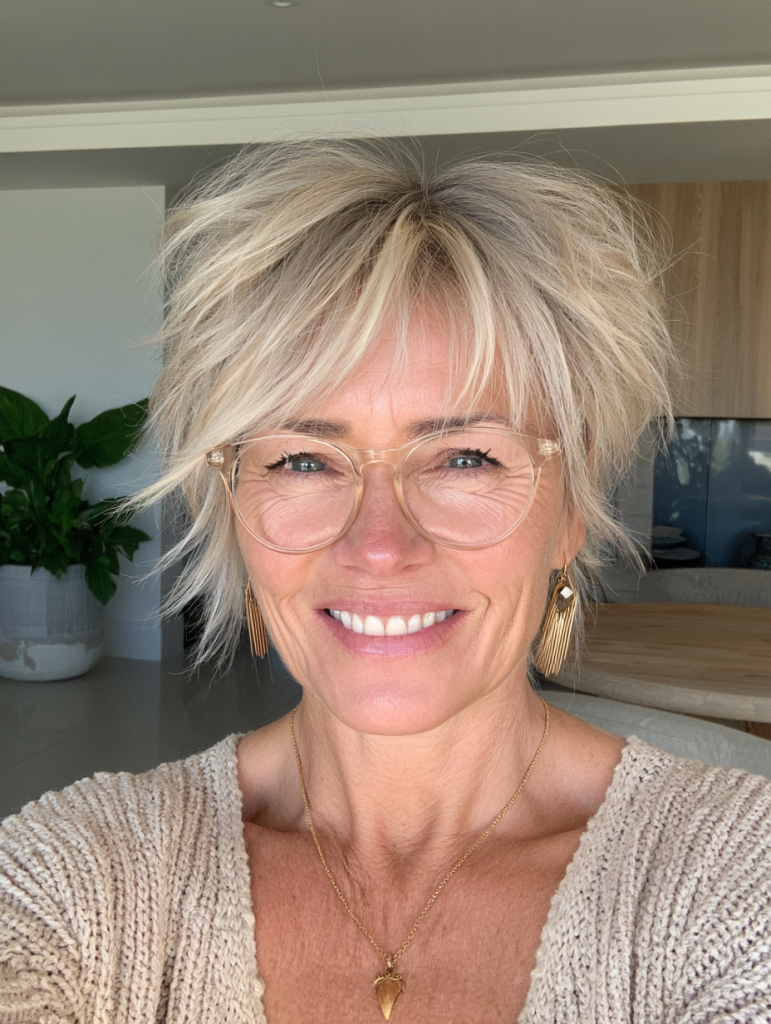
For additional movement, direct the bangs toward one side while blow-drying and keep the roots slightly elevated. Styling paste can define shorter pieces around the crown without weighing down the longer fringe. This combination provides plenty of personality while offering multiple styling possibilities from one compact, manageable haircut.
Choppy Lob with Face-Framing Layers
A choppy lob provides enough length for noticeable movement while irregular face-framing pieces create softness around the cheekbones and jawline. The combination feels lighter than a traditional one-length lob without sacrificing the versatility of shoulder-skimming hair.
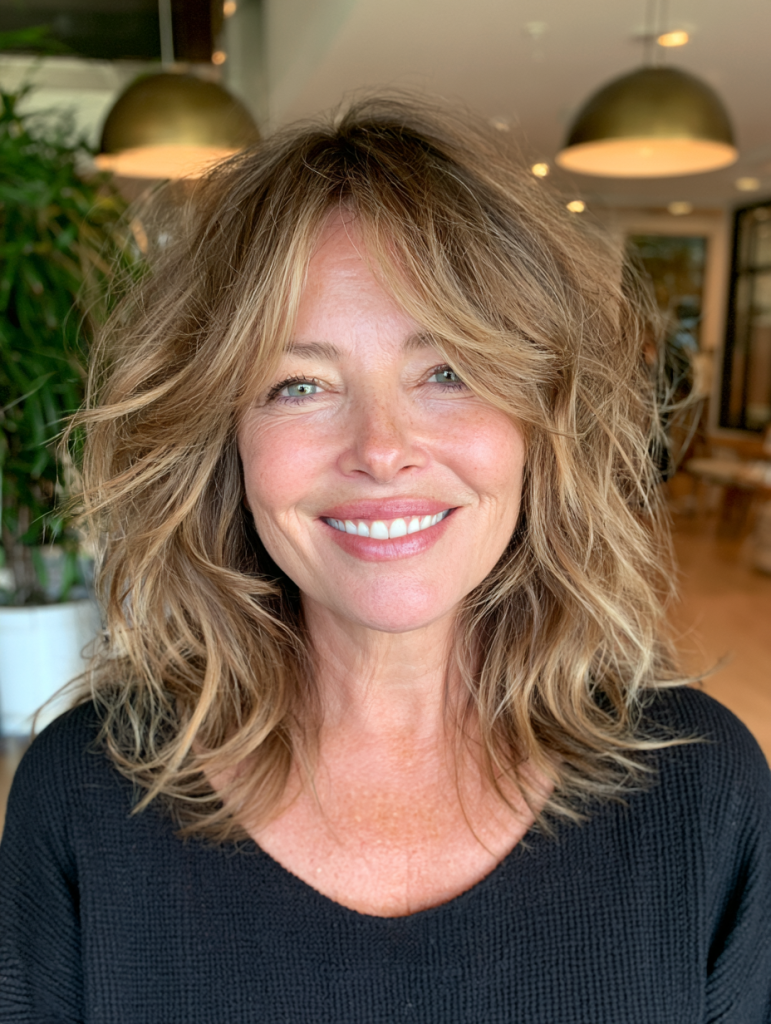
Style the shorter front sections away from the face to emphasize their graduated construction. Through the remaining lengths, alternating loose bends can showcase the different layers more clearly. Finish with texture spray rather than heavy hairspray, allowing individual sections to maintain their flexible, naturally separated appearance throughout the hairstyle.
Choppy Bob with Wispy Bangs
Wispy bangs complement a choppy bob through their lightweight, separated texture and naturally relaxed appearance. Fine pieces across the forehead connect with irregular layers around the temples, creating a cohesive transition into the fuller sides and ends.
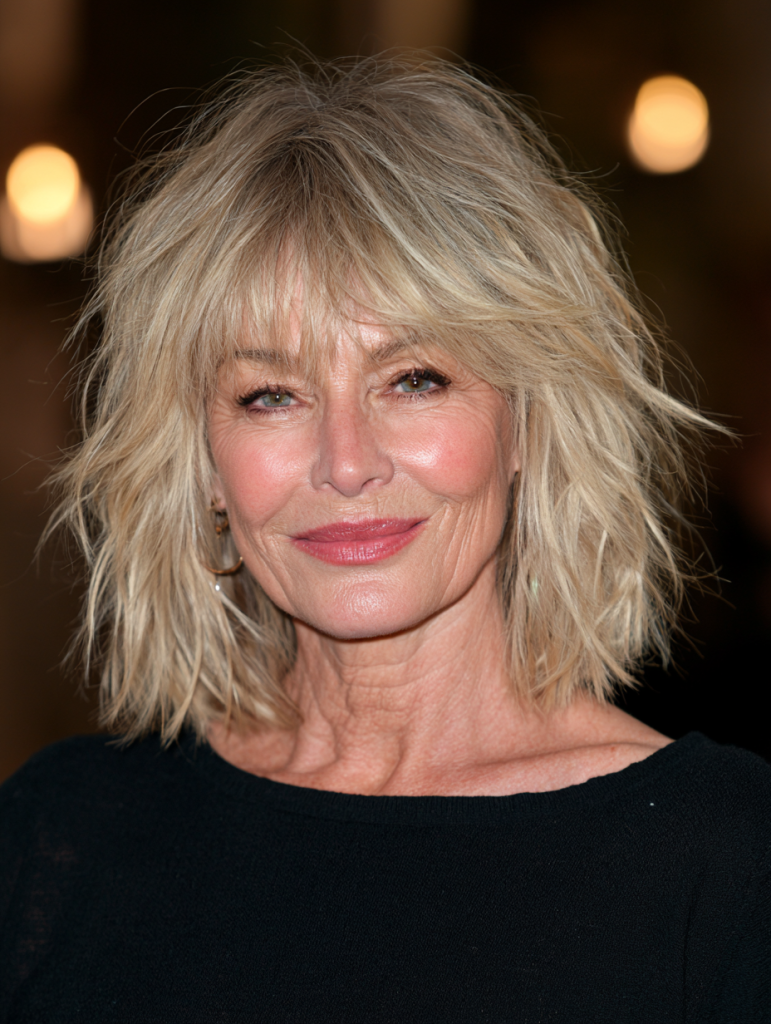
Keep styling products minimal through the fringe to preserve its airy movement. The bob itself can receive lightweight mousse or texture spray for additional definition. Gently tousling the finished sections with your fingertips encourages separation, creating a flattering hairstyle that feels soft, modern, and intentionally textured without appearing excessively styled.
Choppy Wavy Bob
Natural waves amplify the movement within a choppy bob by bending differently across its varied layers. The combination creates dimensional texture through the sides while preventing the shorter silhouette from appearing too solid or traditionally structured.
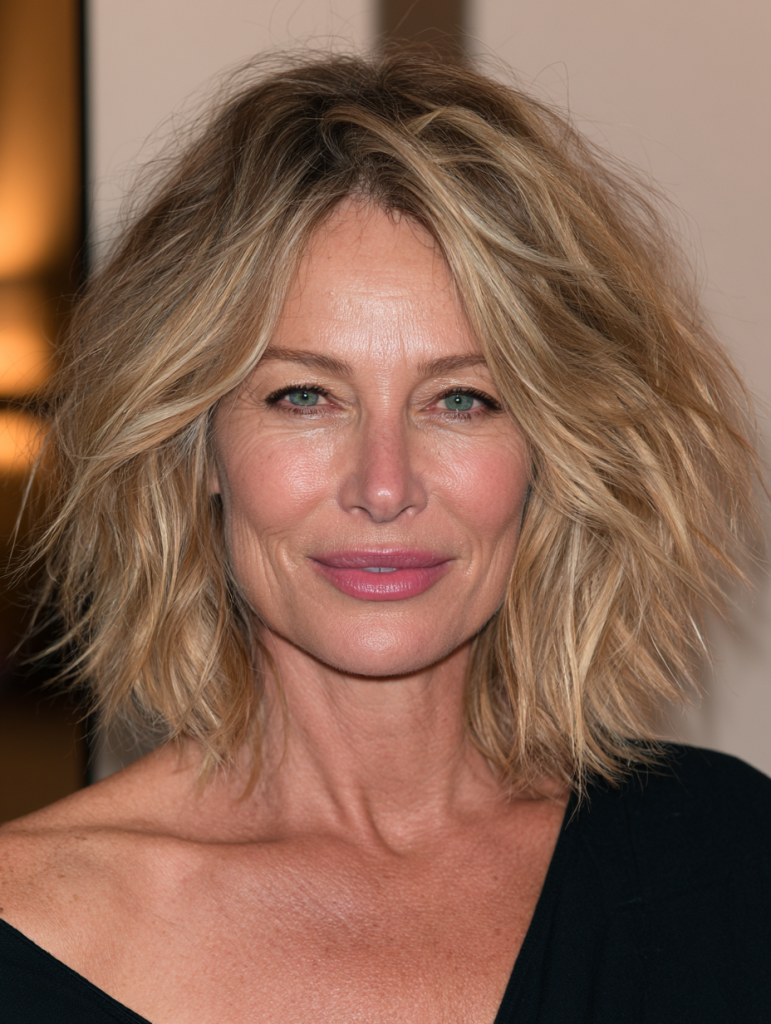
Apply wave-enhancing cream to damp hair and scrunch upward before air-drying or gently diffusing. Once everything is completely dry, separate larger wave groups with your fingertips. Avoid aggressive brushing, since maintaining individual sections helps reveal the choppy layering and preserves the soft, carefree movement responsible for this hairstyle’s contemporary appeal.
Choppy Bixie Cut
A choppy bixie combines pixie practicality with slightly longer bob-inspired sections, creating a textured haircut with plenty of styling flexibility. Shorter crown layers provide lift, while longer pieces around the ears and neckline maintain softness and movement.
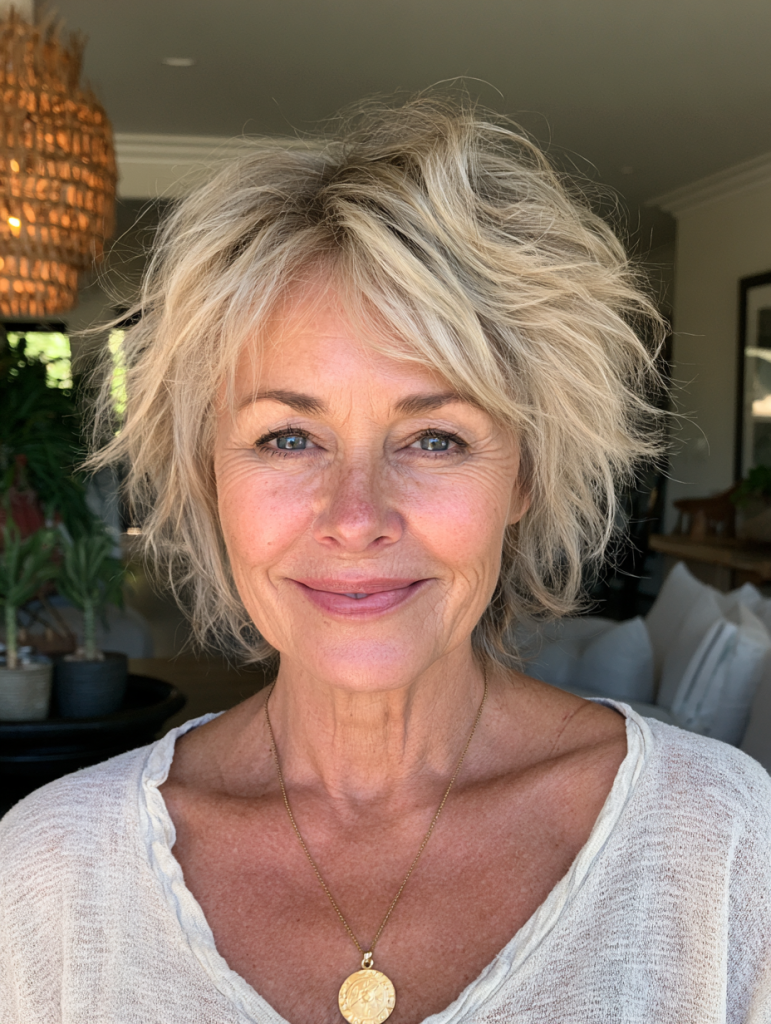
Use lightweight styling cream to define selected sections after drying, focusing especially on the crown and ends. Leaving several pieces smoother creates contrast against the stronger texture elsewhere. This combination prevents the haircut from becoming excessively messy while maintaining the playful, dimensional personality that makes the modern bixie particularly distinctive.
Choppy Shoulder-Length Hair
Shoulder-length hair gains energy from choppy layering that breaks up heavier sections and introduces movement through the middle lengths and ends. This versatile length provides enough room for visible texture while remaining practical for ponytails, loose waves, and polished blowouts.
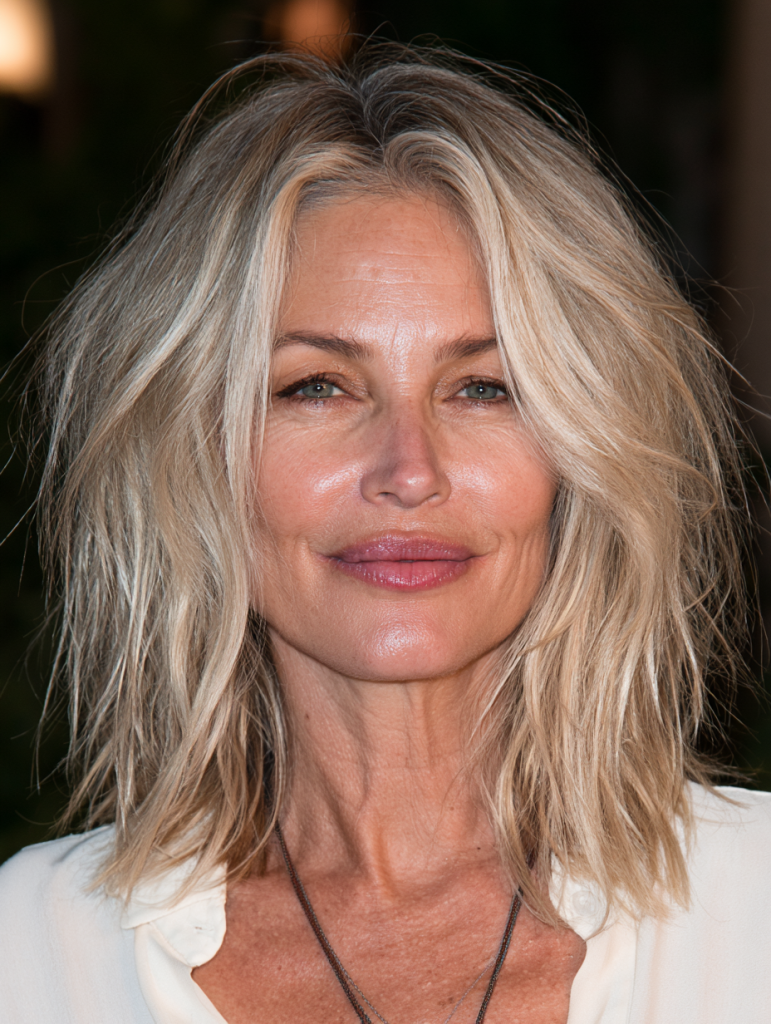
Use a curling wand to bend random sections rather than creating traditional uniform curls. Leaving some ends straighter helps emphasize the deliberately irregular construction. A small amount of dry texture spray can increase separation and fullness, producing a relaxed hairstyle that still maintains a thoughtfully shaped silhouette.
Choppy Rounded Bob
A rounded bob becomes noticeably more modern when choppy internal layers interrupt its traditionally smooth silhouette. The curved overall shape maintains flattering fullness, while irregular sections create separation and prevent the hairstyle from appearing overly controlled or heavy.
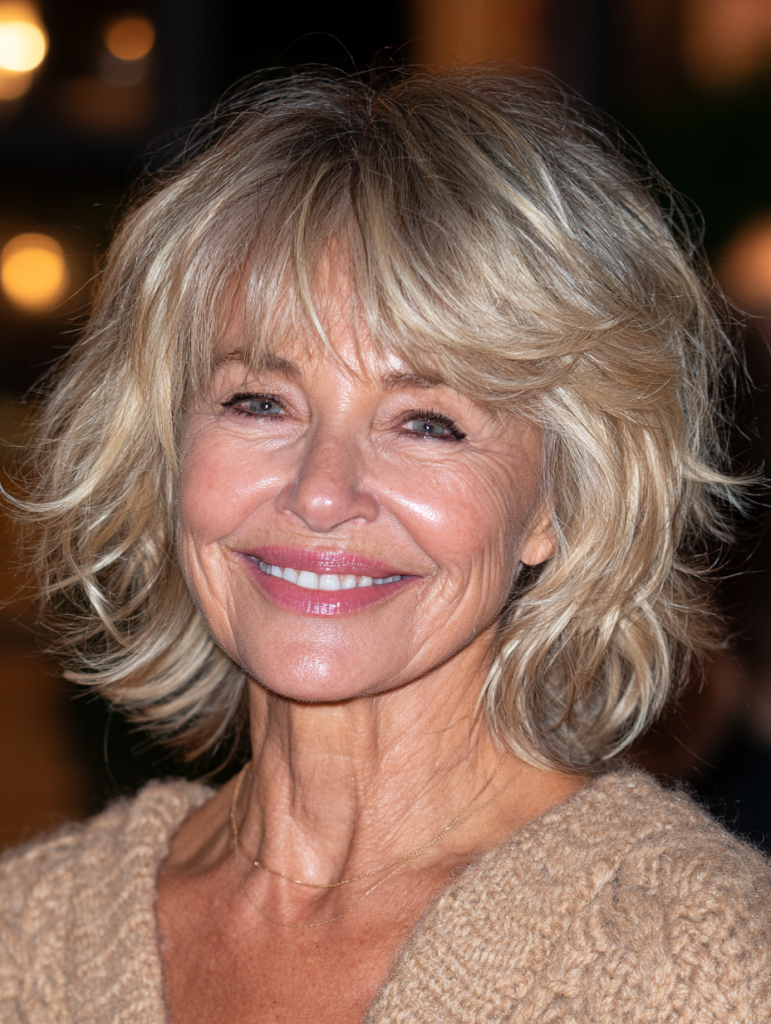
Blow-dry with a round brush to establish the rounded foundation before defining selected ends with lightweight styling paste. Concentrate texture around the crown and lower sections rather than disturbing every strand. This balanced approach combines polished structure with relaxed movement, creating a versatile bob that can transition easily between casual and refined styling.
Choppy Hair with Curtain Bangs
Curtain bangs provide a soft focal point within choppy hair by opening around the forehead and flowing toward the cheekbones. Their longer edges connect naturally with irregular face-framing layers, helping the textured haircut maintain a balanced and cohesive silhouette.
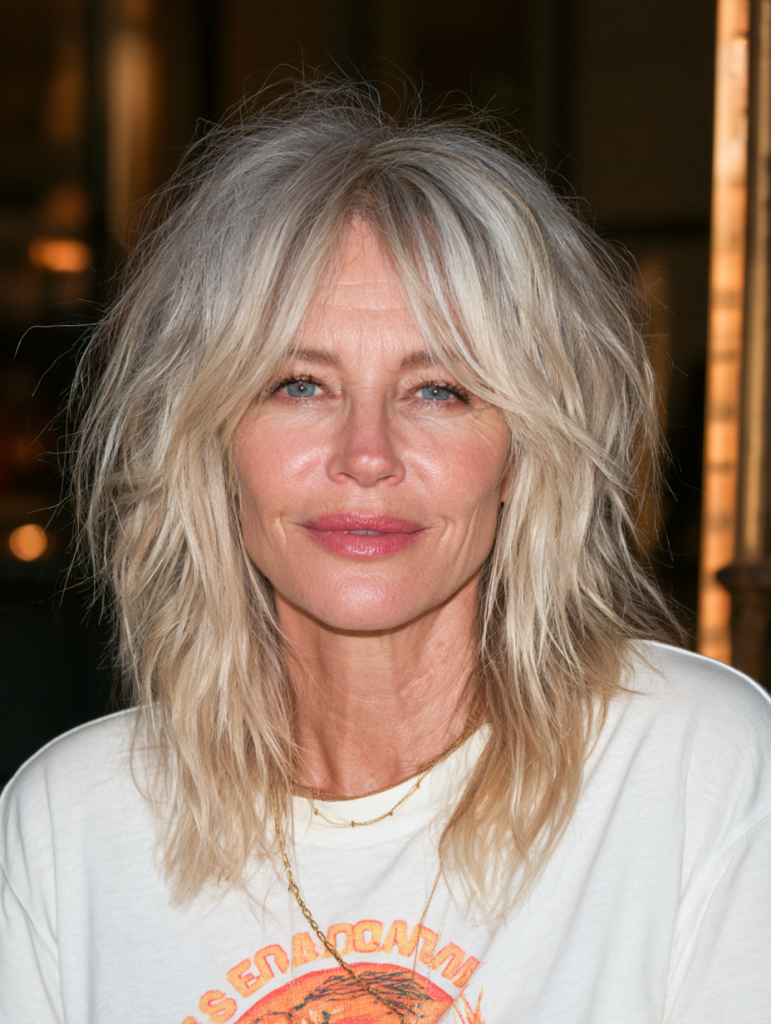
Style each side of the fringe outward using a round brush, keeping the bend gentle rather than overly sculpted. The remaining layers can stay straight, tousled, or softly waved. Allowing different sections to move independently reinforces the choppy character while keeping the front flattering and comfortably wearable.
Choppy Silver Pixie
Natural silver tones become especially striking in a choppy pixie because separated layers catch light from different angles. Short crown pieces create volume and dimension, while tapered sides keep the silhouette controlled and allow the textured upper section to remain prominent.
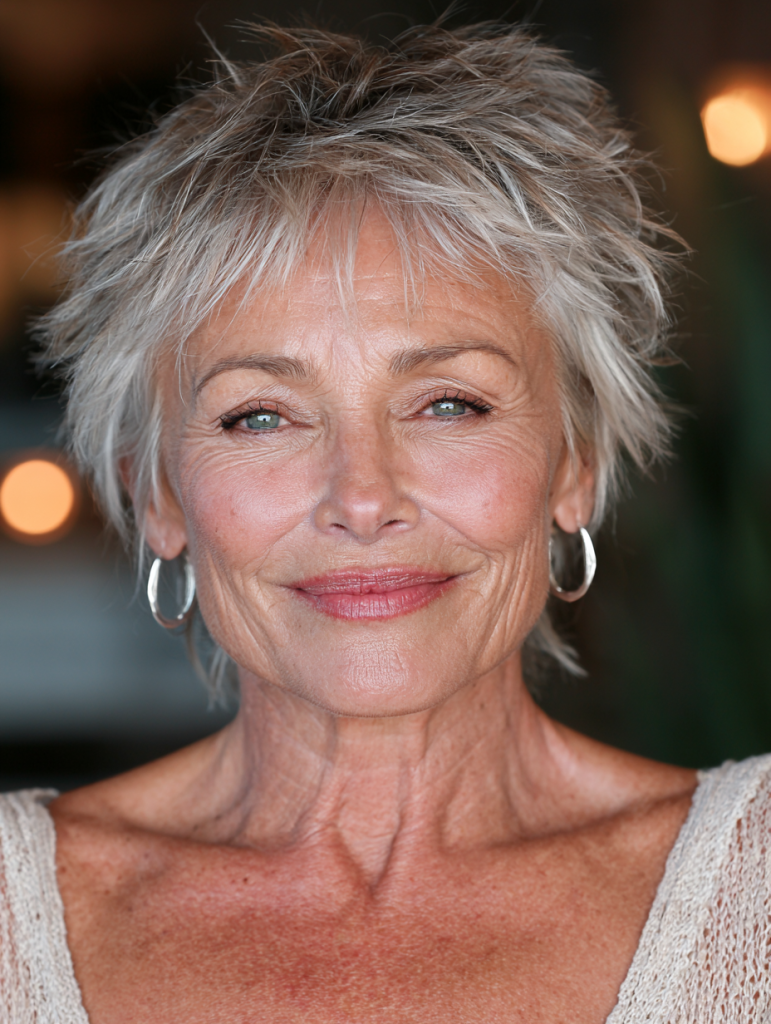
Apply a lightweight styling paste to dry hair, pinching selected pieces between your fingertips for definition. Avoid using excessive product, which can reduce the airy quality of finer textures. The combination of dimensional silver color and choppy layering creates a confident hairstyle with unmistakable personality and contemporary polish.
Choppy Layered Shag
A choppy layered shag delivers abundant texture through shorter crown pieces, irregular middle layers, and lighter ends. Its deliberately relaxed construction creates movement throughout the entire hairstyle, making it particularly effective for hair that benefits from additional dimension and lift.
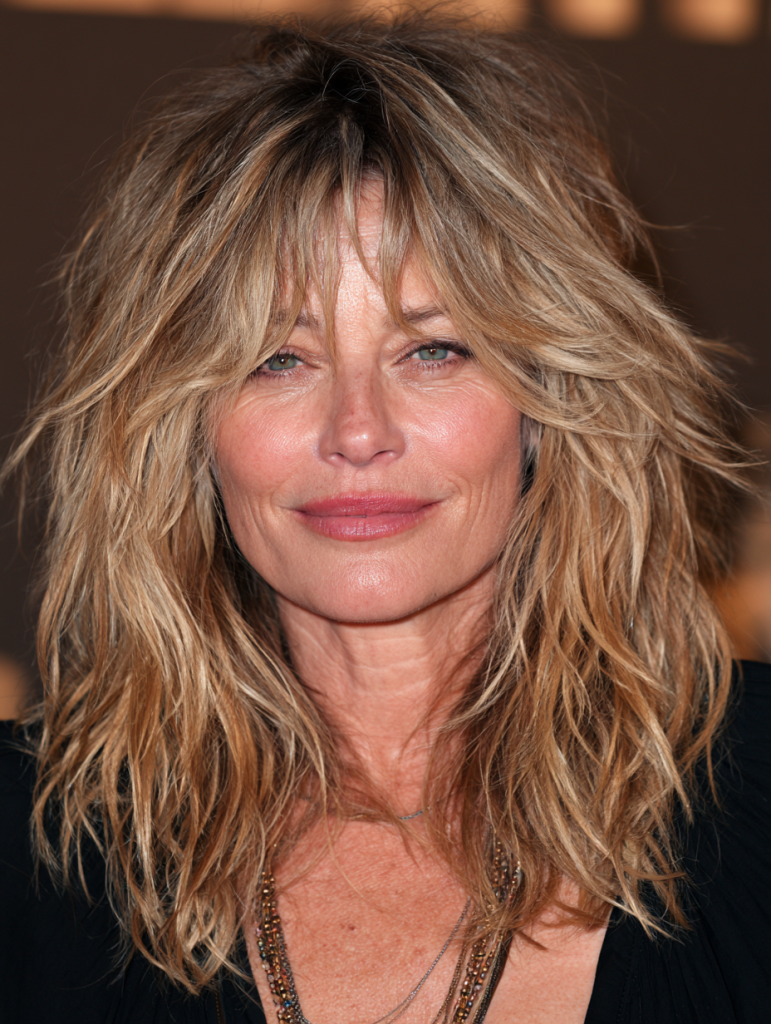
Mousse can provide root support while texture spray enhances separation through the lower sections. Scrunch naturally wavy hair or add irregular bends to straighter textures before finger-combing everything gently. Keeping the finish slightly imperfect allows the different layers to remain visible while maintaining the shag’s signature carefree personality.
Choppy Inverted Bob
An inverted bob gains a fresher personality when choppy layers soften the transition from its shorter back to longer front sections. The angled foundation remains visible, while irregular texture prevents the haircut from appearing excessively precise or traditionally sculpted.
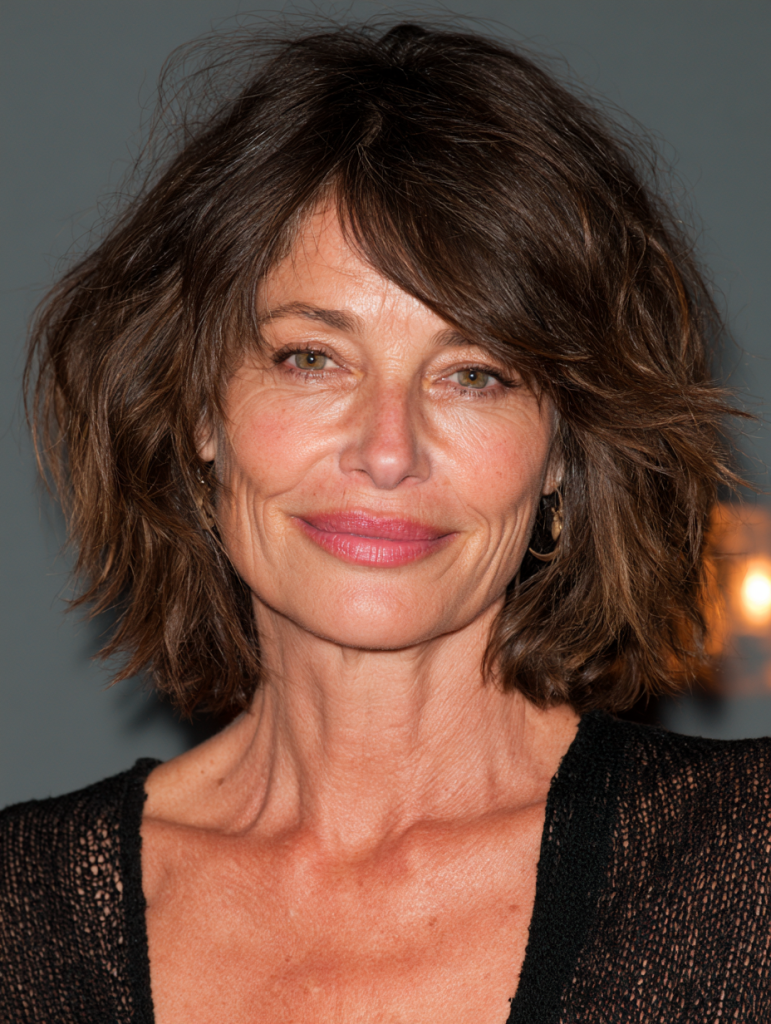
Use a round brush to establish subtle crown volume before adding bends through selected front pieces. Texturizing cream applied sparingly to the ends helps reveal their separation. Maintaining smoother sections alongside stronger texture creates balance, allowing the distinctive inverted silhouette and contemporary choppy detailing to complement each other naturally.
Choppy Curly Bob
Curls bring natural separation to a choppy bob, allowing different layer lengths to create bounce throughout the silhouette. Strategic weight removal can prevent excessive bulk while encouraging shorter curls around the crown and face to develop greater definition.
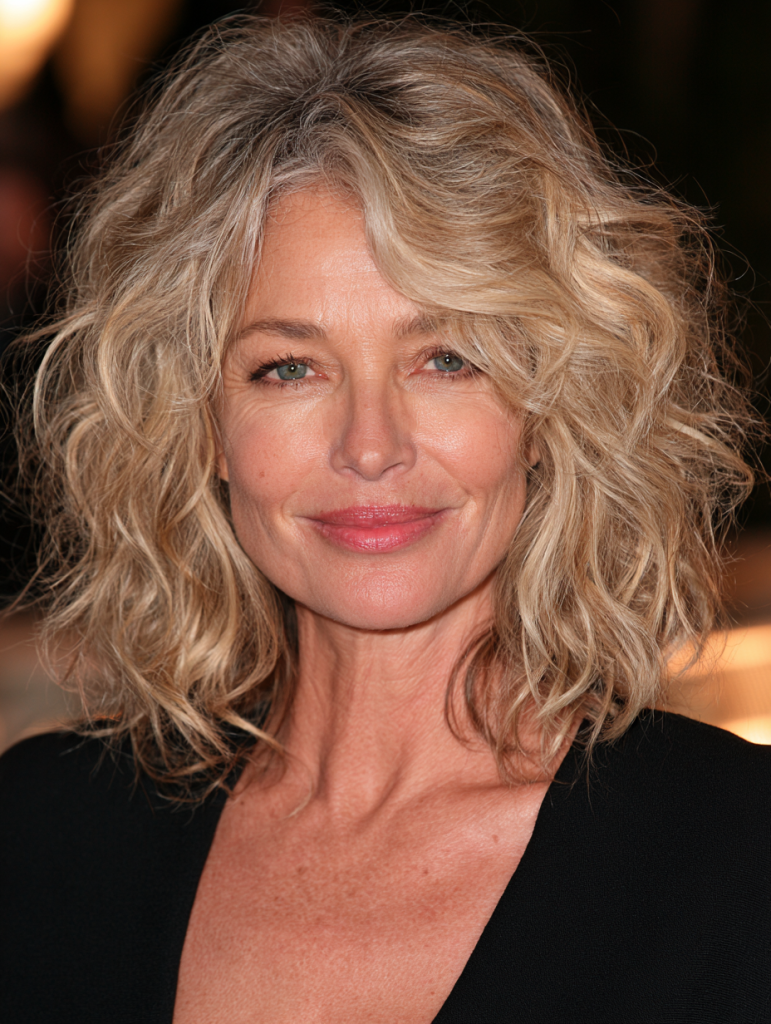
Apply curl cream while the hair remains damp, then scrunch upward and diffuse using gentle airflow. Once completely dry, separate only a few larger curl groups to increase volume. Preserving some defined clusters alongside softer sections helps showcase the choppy construction without disrupting the natural pattern or creating unnecessary frizz.
Choppy Layered Hair with Highlights
Highlights can make choppy layers noticeably more dimensional by creating tonal contrast between shorter sections and longer lengths. Lighter pieces around the face and crown draw attention toward movement, while deeper tones underneath provide visual depth and definition.
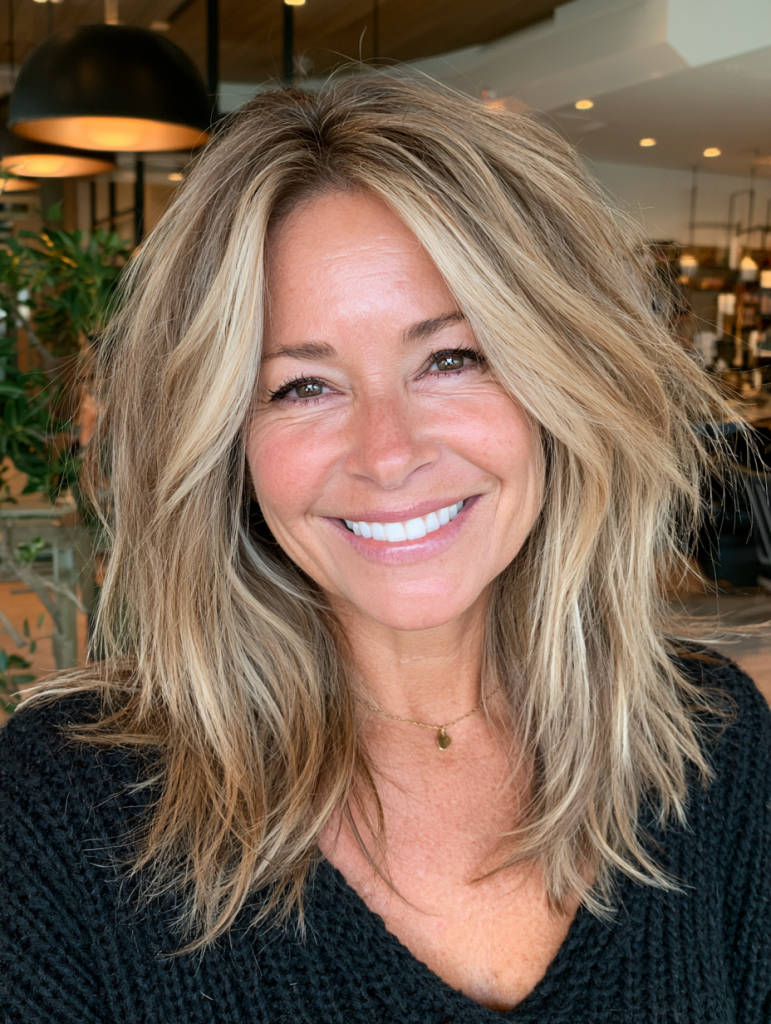
Loose bends are particularly effective for displaying both the color and layered construction. Apply heat protection before styling, then alternate directions instead of forming identical waves. Finish with lightweight serum through the ends, allowing the highlighted pieces to remain smooth while preserving the textured separation that gives this hairstyle its distinctive character.
The Texture-Building Guide for Choppy Hairstyles
Begin with products that enhance separation without making the hair heavy. Fine textures generally benefit from volumizing mousse or dry texture spray, while thicker hair may respond better to lightweight styling cream. When heat styling, use protection first and create irregular bends rather than perfectly matching curls.
Product placement matters as much as the product itself. Concentrate volumizing formulas near the roots and defining products around selected ends. Finger styling works especially well for choppy cuts because aggressive brushing can remove the separation created by layering. Finish with flexible hold so movement remains visible and touchable.
Final Thoughts
Choppy hairstyles over 50 provide an adaptable approach to creating movement, fullness, and contemporary texture. Pixies offer compact practicality, bobs provide polished versatility, and longer shags or lobs allow more noticeable layering. Bangs, natural curls, silver tones, and highlights can further personalize these textured shapes.
The most flattering version should work with your natural density and preferred maintenance routine rather than demanding constant styling. Strategic choppy layers can create much of the hairstyle’s personality before any products are applied. Would you choose a textured pixie, dimensional bob, or relaxed shoulder-length shag?
