Fine hair doesn’t have to mean flat hair. If you’re a woman over 50 dealing with strands that seem to lose body by the year, you’re not alone — and more importantly, you’re not out of options. With the right cut, the right products, and a few clever styling tricks, fine hair can look full, healthy, and absolutely beautiful.
This guide covers everything you need to know about choosing and styling the best hairstyles for women over 50 with fine hair, from bold short cuts to volume-boosting medium styles.
Why Does Hair Become Fine After 50?
Before diving into styles, it helps to understand what’s happening. After menopause, estrogen levels drop significantly. Estrogen plays a role in the hair growth cycle — keeping hair in the growth phase longer and making each strand thicker. When estrogen declines, strands become thinner and the growth cycle shortens. The result is hair that feels lighter, less dense, and harder to style.
This is completely normal and happens to the majority of women. The key is adapting your hairstyle and routine to work with your hair’s new texture rather than fighting it.
The Best Haircuts for Fine Hair Over 50
The Textured Pixie
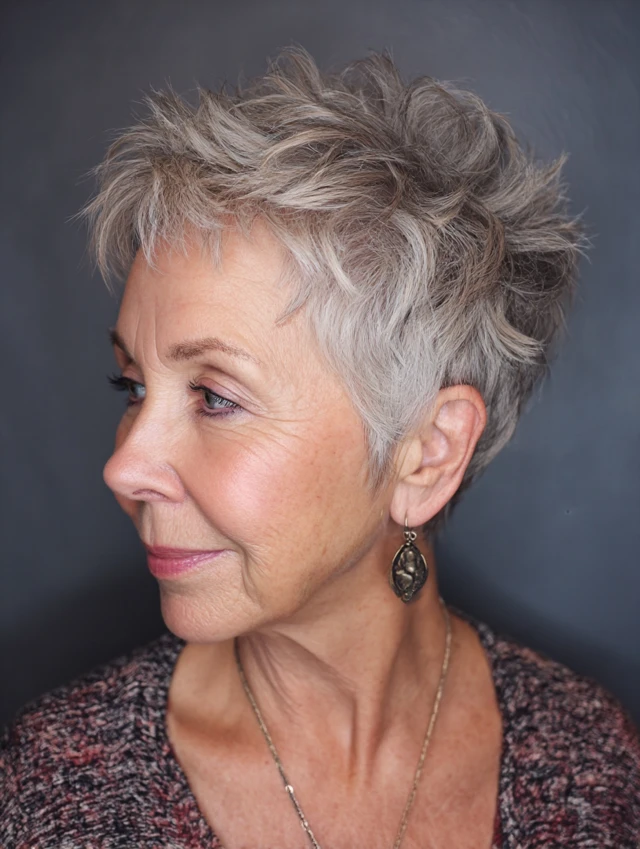
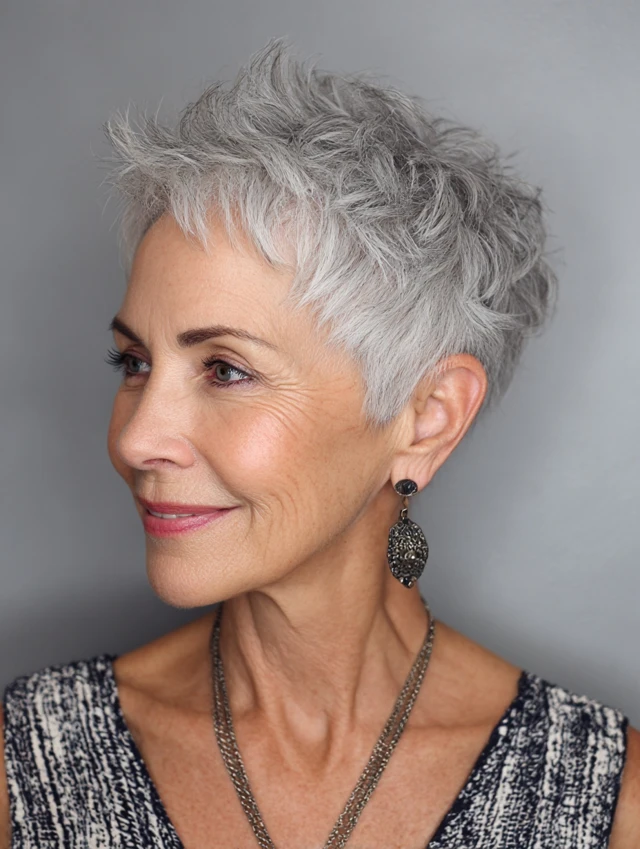
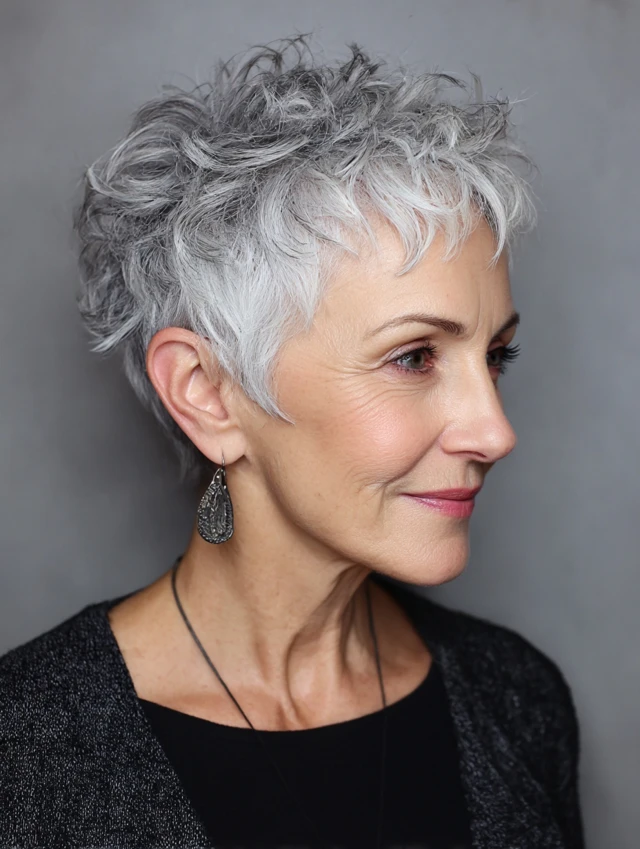
A pixie cut is one of the most liberating choices for fine-haired women over 50. By removing length, you remove the weight that pulls fine hair flat. What’s left is full-looking, root-lifted hair that styles easily and dries quickly.
1
2
3
4
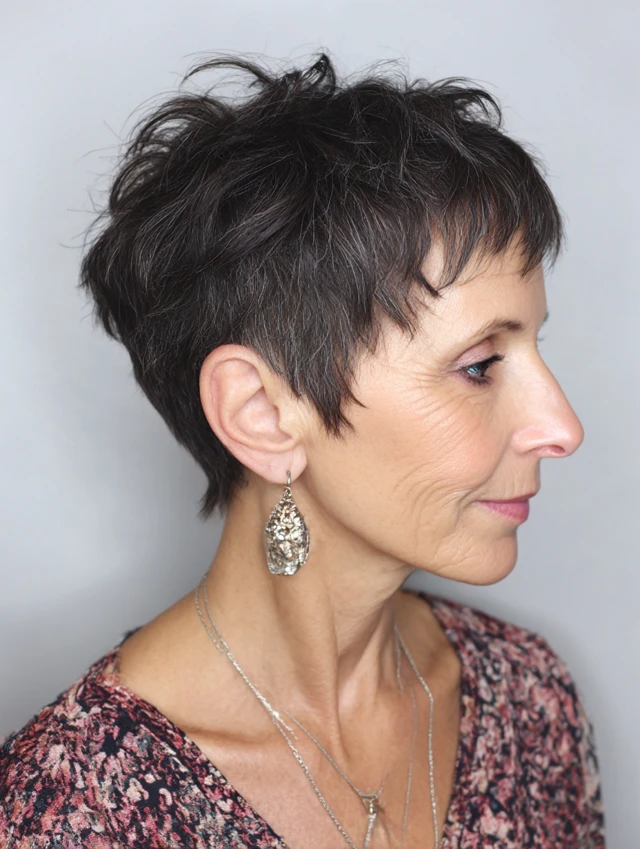
The key word here is textured. Ask your stylist for a pixie with choppy, piece-y layers on top rather than a sleek, close-cropped style. The texture creates the illusion of more hair. A little pomade or texturizing paste worked through the tips while the hair is still damp will enhance this effect beautifully.
The Graduated Bob
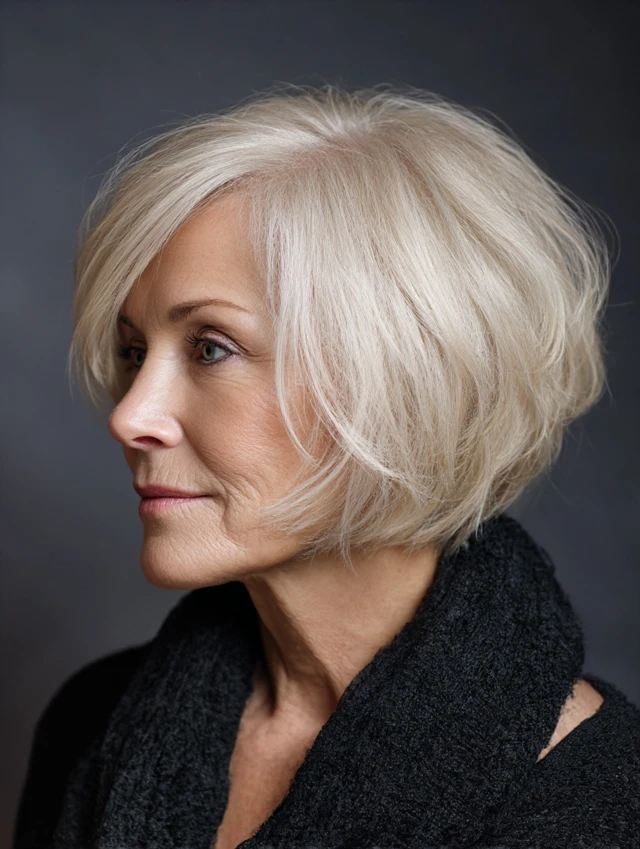
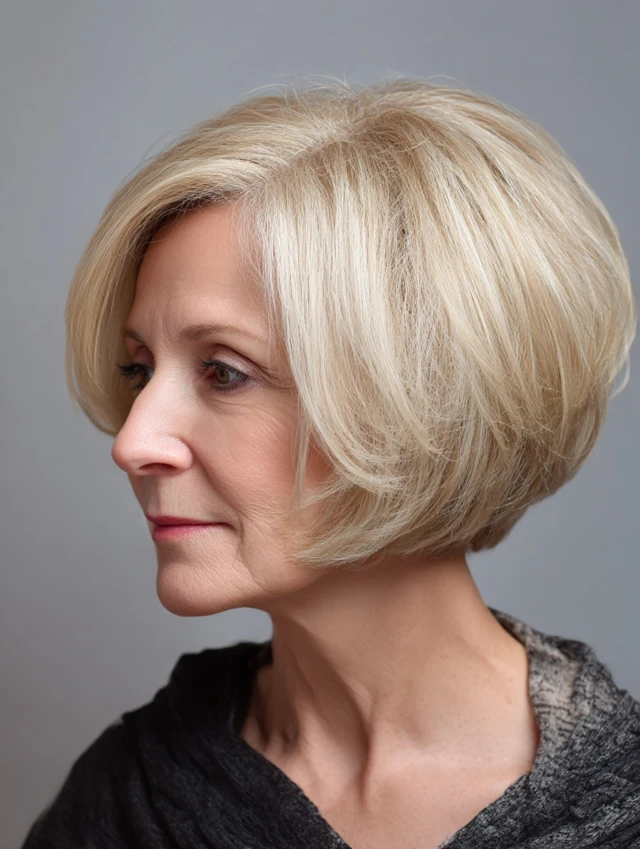
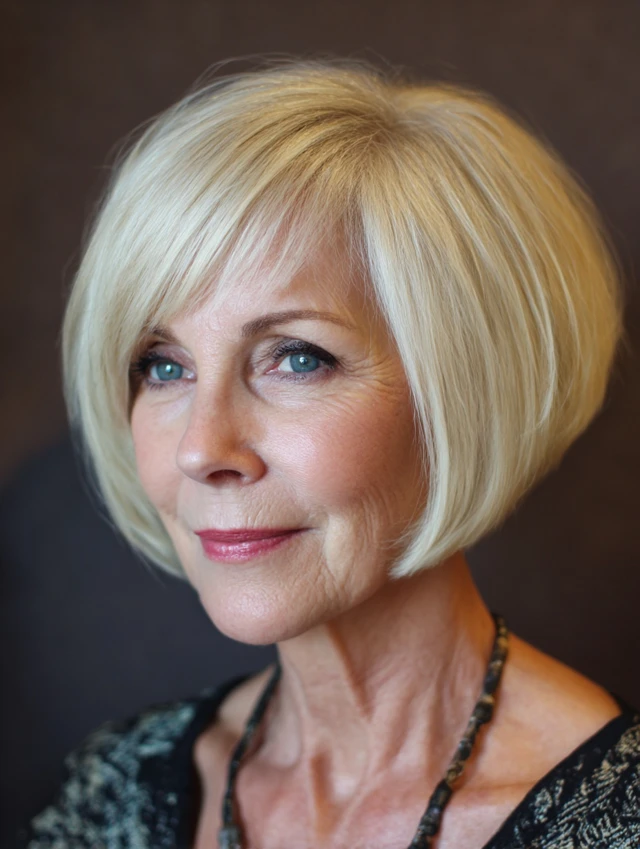
A graduated bob — shorter at the back and gradually longer toward the chin — is engineered for volume. The stacked layers at the back create a rounded shape that lifts fine hair naturally.
1
2
3
4
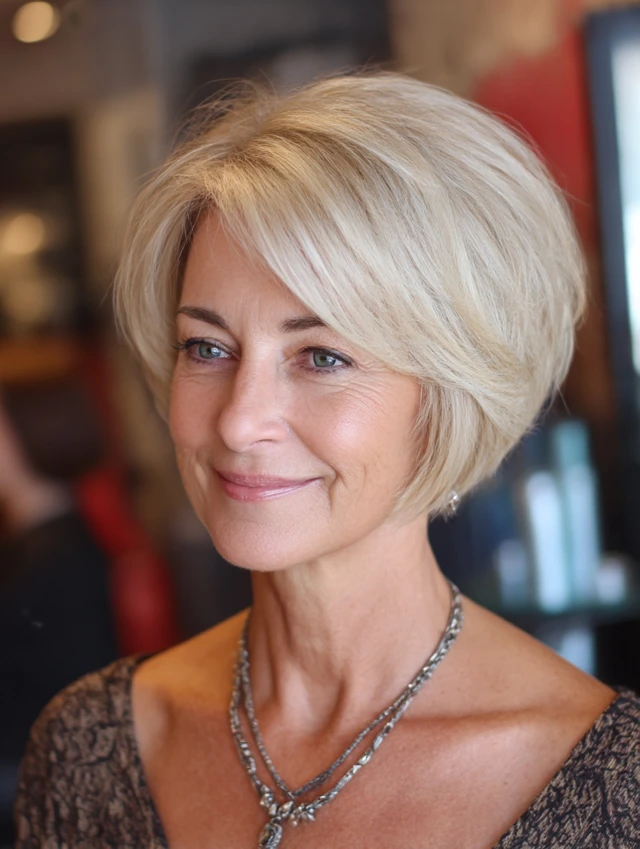
For fine hair specifically, avoid a very blunt, one-length bob. The weight of a blunt cut can drag fine hair down and make it appear even thinner. Graduation and layering are your best friends.
The French Bob
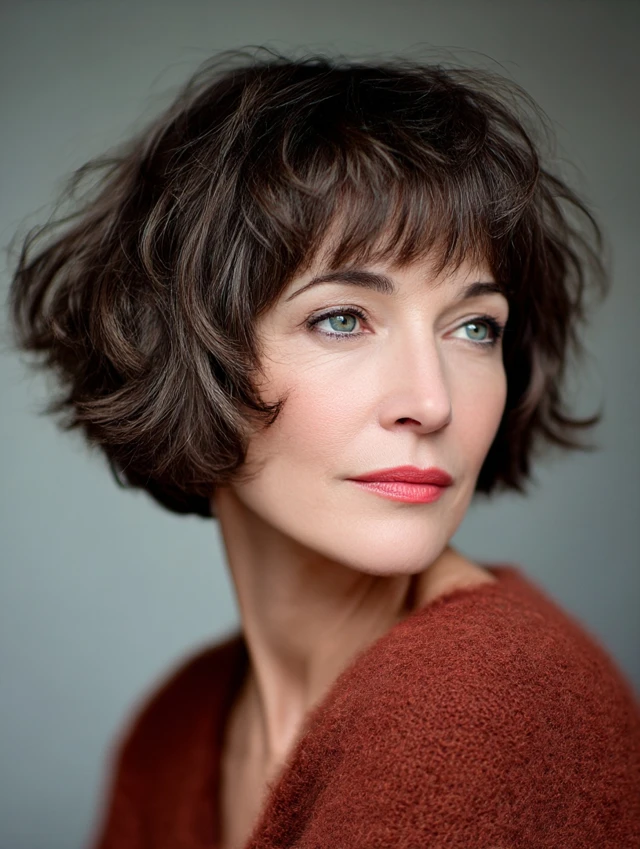
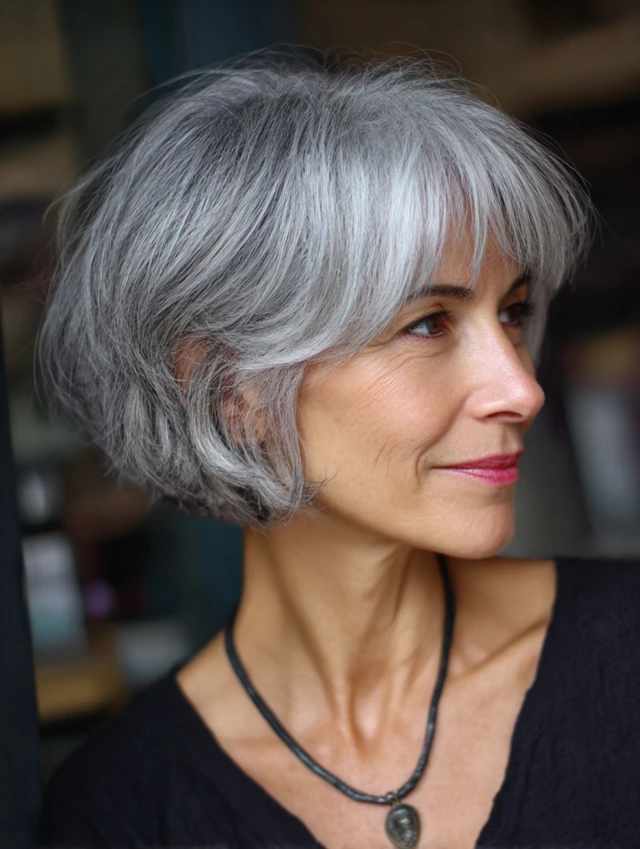
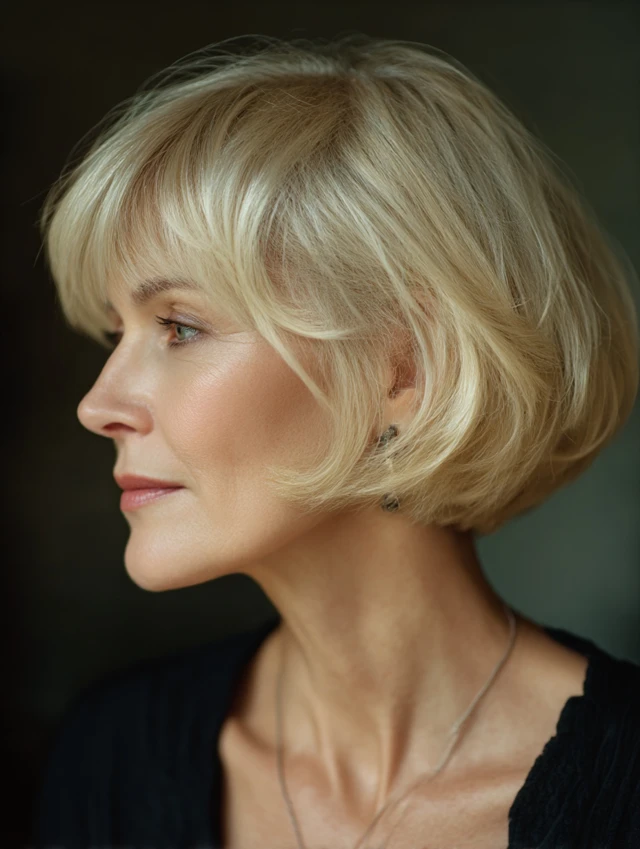
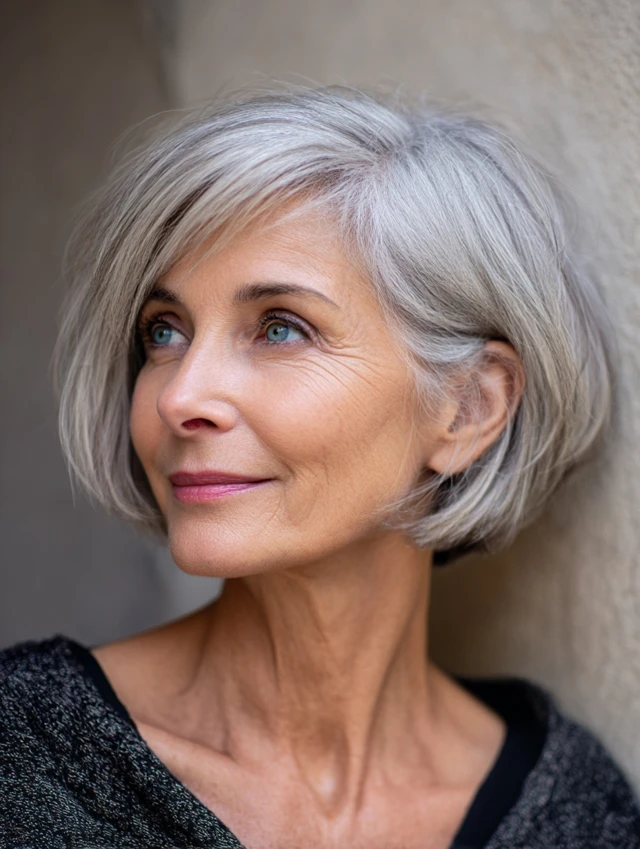
The French bob sits at jaw-length with a slightly inward curve and often a short fringe. It’s effortlessly chic and particularly good for fine hair because the length doesn’t extend past the chin — keeping the hair short enough to maintain body without looking sparse.
1
2
3
4
The Feathered Lob
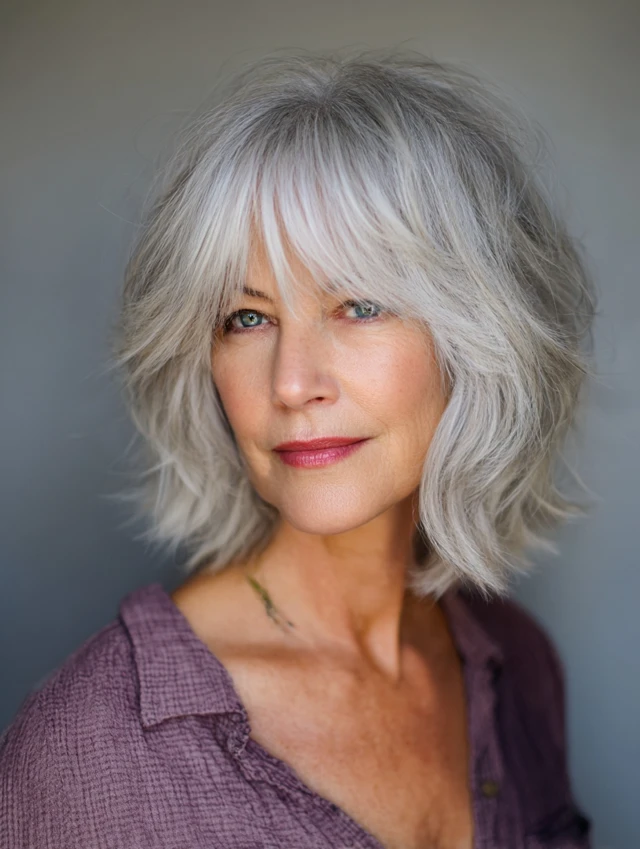
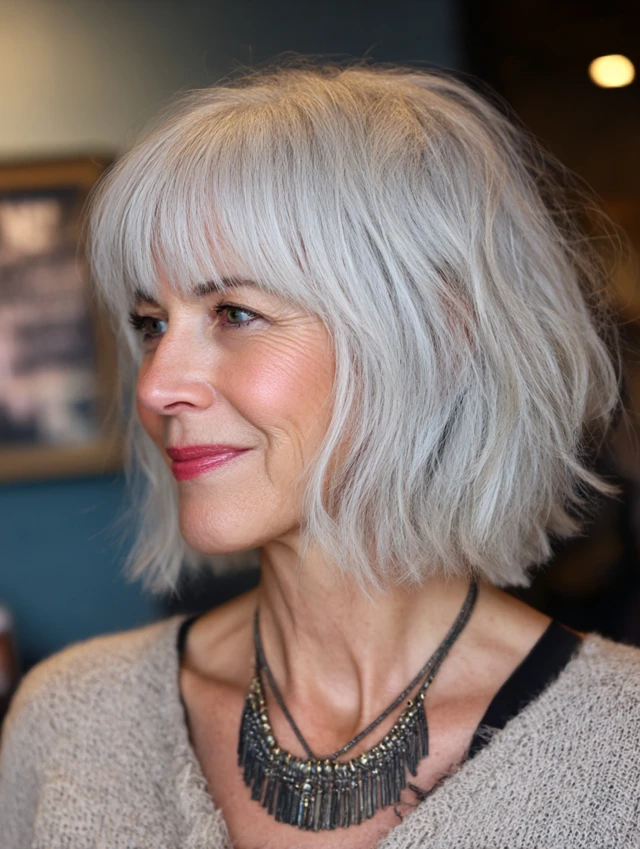
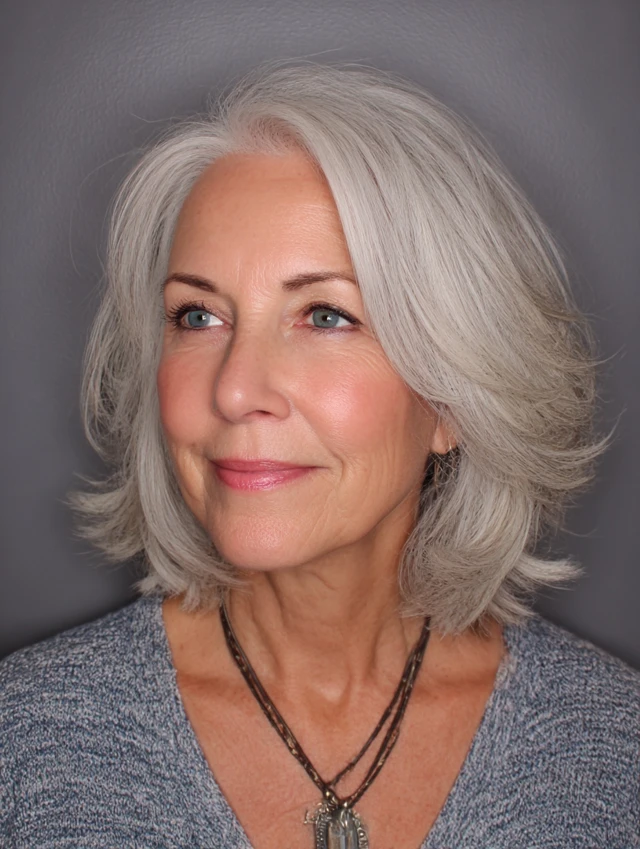
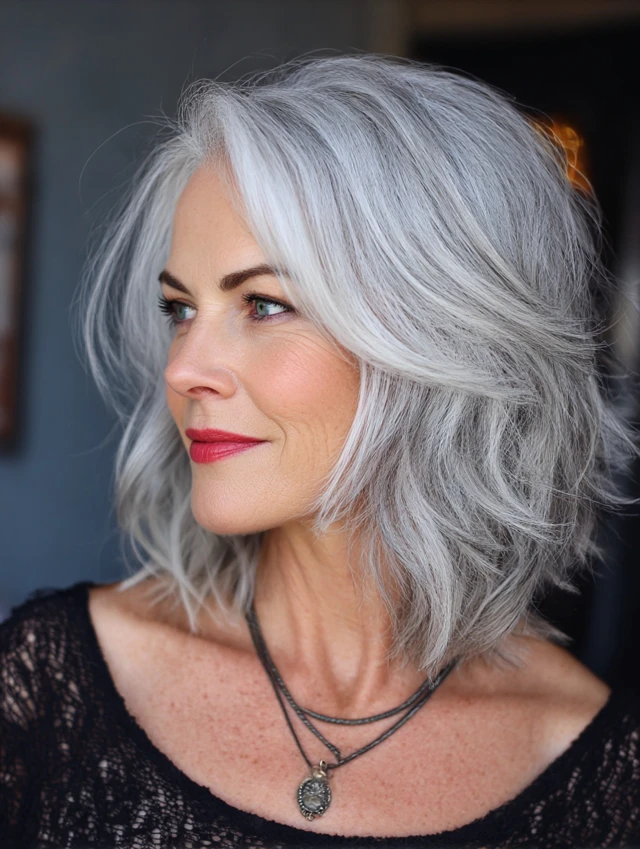
If you’d rather keep some length, a lob (long bob) that hits at the collarbone can work beautifully for fine hair — as long as it has significant feathering and layering throughout. The layers remove weight and create movement, both of which make fine hair look more abundant.
1
2
3
4
Styling Tips That Make a Real Difference
Blow Dry for Volume
Flip your head upside down and use a round brush to lift the roots as you dry. This single technique can add significant volume to fine hair and the effect lasts all day.
Use a Volumizing Mousse
Apply a lightweight volumizing mousse to damp roots before blow-drying. Avoid applying it to the lengths and ends — adding product there weighs fine hair down.
Try Dry Shampoo Between Washes
Freshly washed fine hair can actually be harder to style — it’s too slippery. Dry shampoo applied to the roots on day two or three adds grip and texture, making volume much easier to create and maintain.
Avoid Heavy Conditioners
Rich, heavy conditioners can coat fine strands and weigh them down. Use a lightweight conditioner and apply it only from mid-length to ends — never at the roots.
Colors That Help Fine Hair Look Fuller
Color can be one of your most powerful tools for making fine hair look thicker. These techniques work particularly well:
- Highlights and Lowlights — Multi-dimensional color creates the illusion of depth and dimension, which visually increases the appearance of hair density.
- Balayage — The soft, graduated color of a balayage creates shadow and light throughout the hair, which mimics the appearance of thickness.
- Root Smudge — Darkening the roots slightly and blending into a lighter mid-length creates a shadowed depth that makes hair look fuller at the scalp.
Going very light all over (platinum or white-blonde) can sometimes make fine hair look more sparse. If you want to go light, ask your colorist about keeping some dimensional variation.
Products Worth Investing In
The right products can genuinely transform fine hair. These are worth adding to your routine:
- Volumizing shampoo — Look for formulas with panthenol or biotin, which coat the hair shaft and increase its diameter temporarily.
- Root-lifting spray — Applied before blow-drying for significant lift at the crown.
- Lightweight texturizing spray — Adds grip and body to dry hair without weight.
- A quality round brush — The size of the barrel matters. A medium-size round brush (around 1.5 inches) is ideal for lifting fine hair at the roots.
What to Avoid
Equally important is knowing what doesn’t work for fine hair over 50:
- Very long, one-length styles — The weight drags fine hair flat and makes sparse areas more visible.
- Heavy, oil-based products — They coat strands and eliminate body.
- Washing hair every single day — Over-washing strips natural oils that actually provide a little texture and grip.
- Tight ponytails and buns — These can cause breakage and traction alopecia over time, worsening thinning.
Finding the Right Stylist
Not every stylist has experience with fine hair over 50. When booking an appointment, look for someone who specializes in women’s cuts for mature hair, or who has a portfolio showing clients with similar hair texture. The consultation is just as important as the cut itself — a good stylist will ask about your lifestyle, how much time you spend on your hair daily, and what products you currently use.
Don’t be afraid to bring reference photos. A picture communicates more clearly than any description, and it takes the guesswork out of the appointment for both you and your stylist.
The Bottom Line
Fine hair over 50 is incredibly common and absolutely manageable. The right cut — whether that’s a textured pixie, a graduated bob, or a feathered lob — combined with smart styling habits and the right products can make your hair look fuller and more vibrant than it has in years.
The most important thing is to stop trying to make fine hair behave like thick hair. Lean into its lightness, work with a stylist who understands its specific needs, and invest in products that build body rather than weigh it down. Your best hair days are absolutely still ahead of you.