Plus size interview outfits should help you feel composed, comfortable, and appropriately dressed for the position you want. Strong interview styling is less about hiding your shape and more about choosing clothing with thoughtful proportions, comfortable tailoring, and fabrics that maintain their structure. Blazers, trousers, dresses, skirts, and polished separates can all create professional combinations across different workplace environments.
The best choice also depends on company culture. Corporate interviews may call for traditional tailoring, while creative, education, nonprofit, or business-casual workplaces often provide greater flexibility. These 16 outfit ideas offer varied approaches that can be adjusted around your personal style and the expectations of your industry.
Why Well-Chosen Professional Style Always Makes an Impact
Professional dressing remains relevant because a thoughtfully assembled outfit supports a polished first impression while allowing your qualifications to stay central. Comfortable tailoring can also make sitting, walking, and interviewing easier, reducing the need to adjust waistbands, sleeves, or restrictive layers throughout the meeting.
For plus size women, modern workwear provides far more variety than traditional matching suits alone. Wide-leg trousers, structured dresses, longer blazers, sophisticated knitwear, and coordinated separates offer multiple ways to build balanced proportions. Prioritizing fit and comfort helps create an interview wardrobe that feels professional without sacrificing individuality.
Longline Blazer with Straight-Leg Trousers
A longline blazer paired with straight-leg trousers creates a clean professional silhouette with comfortable coverage and balanced proportions. Choose a blazer that closes comfortably without pulling, then layer a simple blouse or lightweight shell underneath for a streamlined foundation.
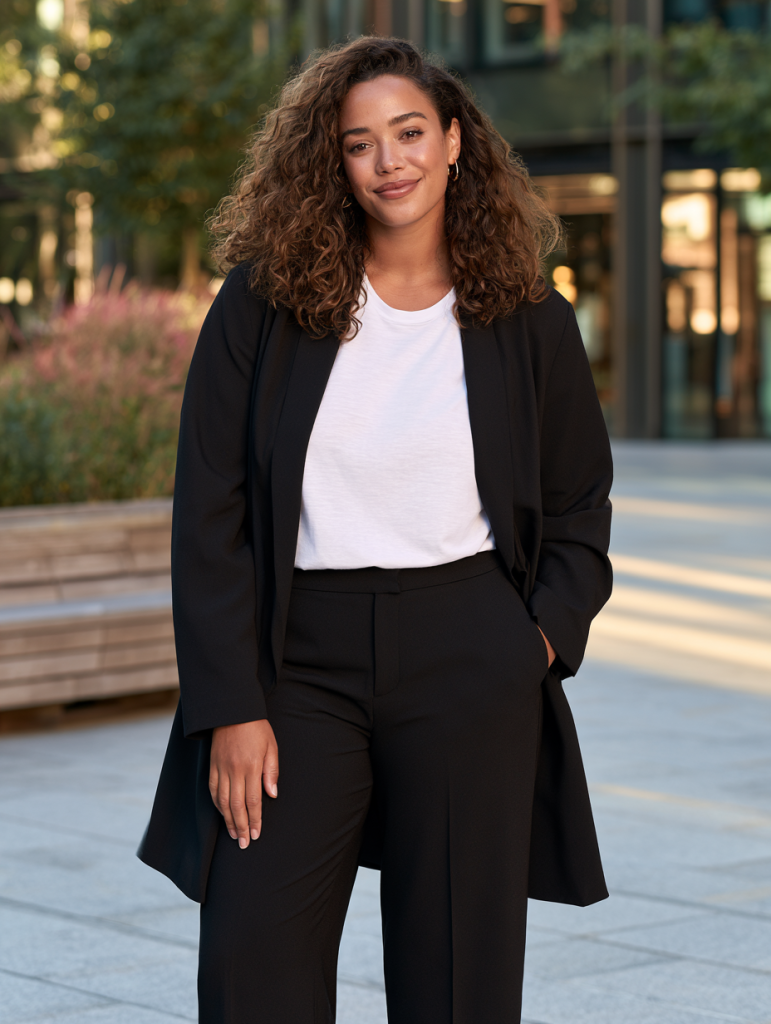
Straight-leg trousers provide structure without requiring an overly fitted shape through the legs. Complete the combination with loafers, pointed flats, or low block heels. Minimal jewelry and a structured work bag maintain the polished appearance, making this outfit suitable for corporate, administrative, and management interviews.
Monochrome Navy Pantsuit
A monochrome navy pantsuit offers a sophisticated alternative to traditional black while maintaining the authority expected from professional tailoring. Coordinated color creates visual continuity, while thoughtfully fitted trousers and a structured blazer keep the outfit sharp without feeling overly restrictive.
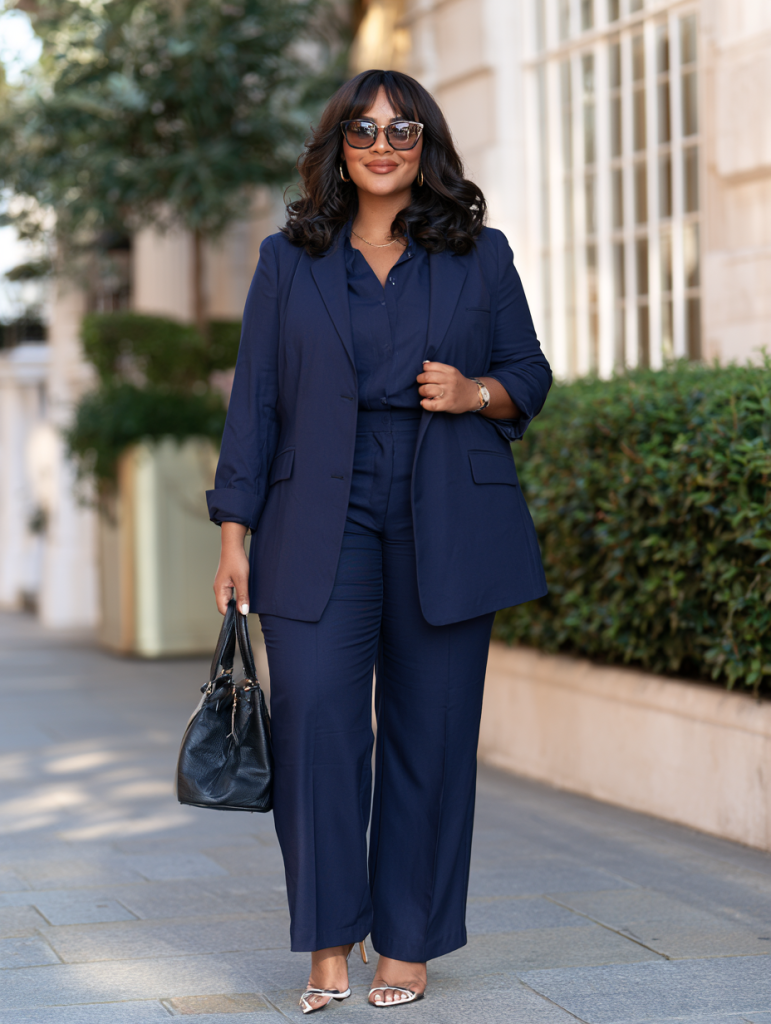
Wear a white, cream, or pale blue blouse underneath for subtle contrast. Choose comfortable closed-toe footwear and keep accessories understated so the tailoring remains prominent. This dependable combination works especially well for finance, management, government, administration, and other interviews where formal business attire remains appropriate.
Wrap-Style Blouse with Tailored Trousers
A wrap-style blouse creates gentle definition through the upper body while pairing naturally with tailored trousers for an interview-ready combination. Choose a design with secure coverage and enough room across the shoulders and bust to allow comfortable movement.
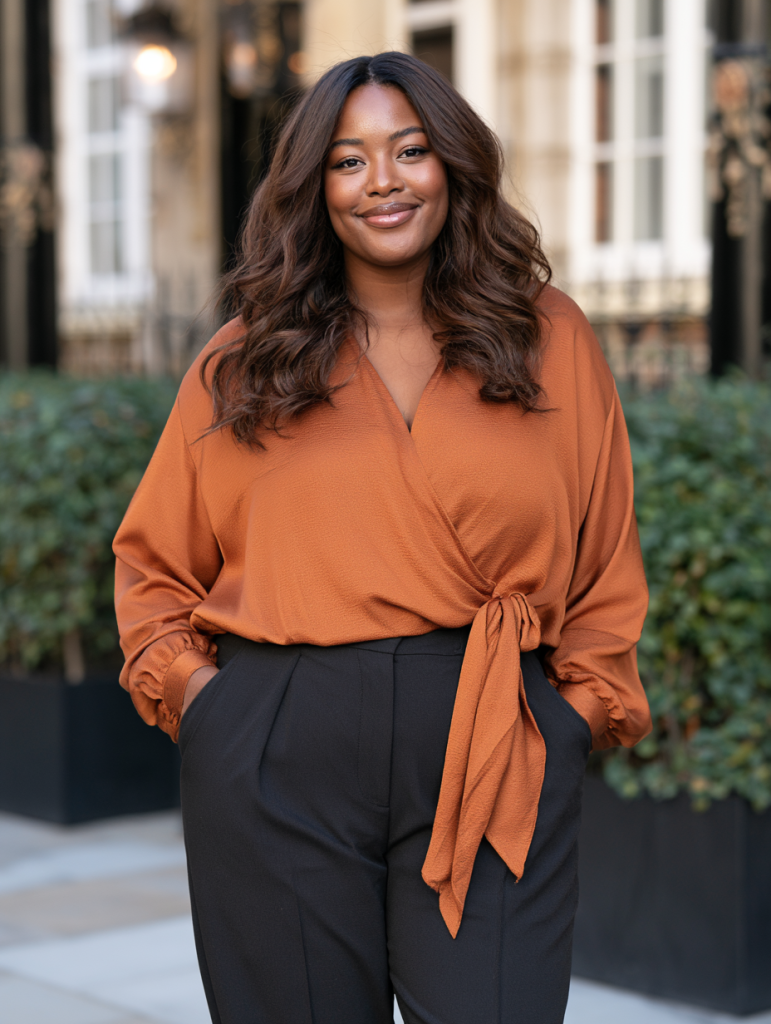
Straight or softly wide-leg trousers can balance the fluidity of the blouse while maintaining professional structure. Add loafers or low heels and simple jewelry to complete the outfit. A structured blazer can provide additional formality when necessary, making this combination adaptable across several professional workplace environments.
Structured Midi Dress with Blazer
A structured midi dress provides an uncomplicated foundation for interview dressing because the entire outfit begins with one cohesive piece. Look for substantial fabric, comfortable waist definition, and a neckline that remains appropriate when sitting or moving throughout the interview.
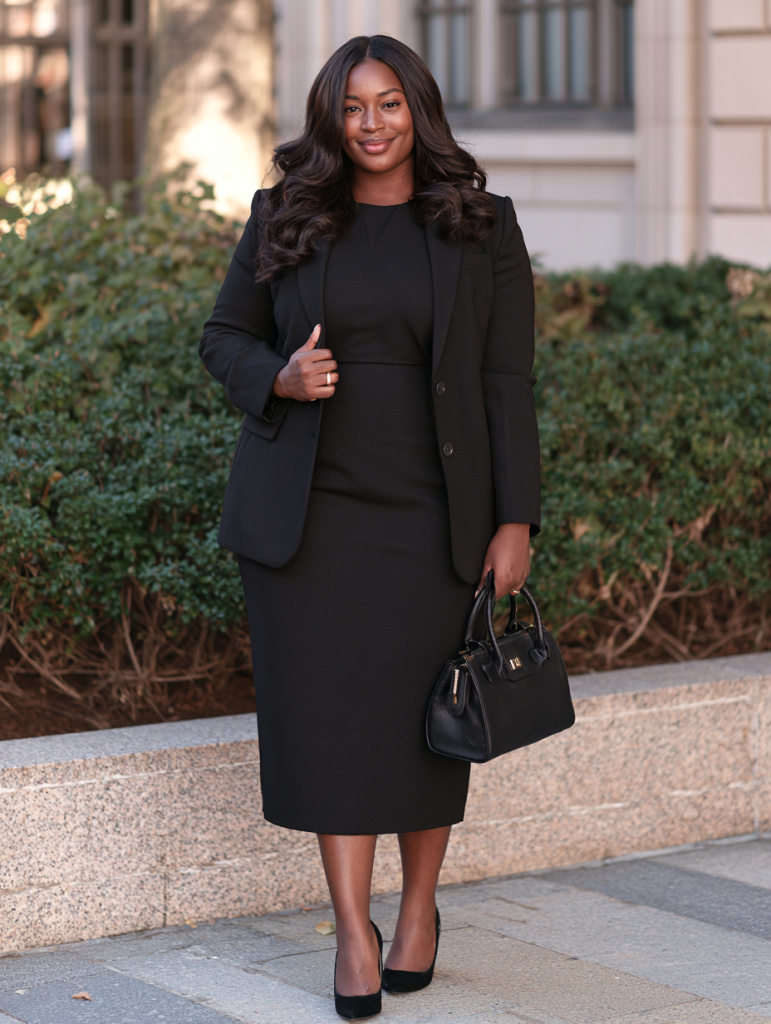
Layer a tailored blazer over the dress when additional structure is needed. Low pumps, polished flats, or block heels maintain a professional finish without requiring uncomfortable footwear. This combination works particularly well for corporate offices, education, administration, management, and professional environments where refined business dressing is expected.
Wide-Leg Trousers with Crisp Shirt
Tailored wide-leg trousers provide comfortable movement while creating a sophisticated foundation for a crisp button-front shirt. Choose trousers that fall smoothly from the waist and maintain enough structure to prevent excessive volume around the lower silhouette.
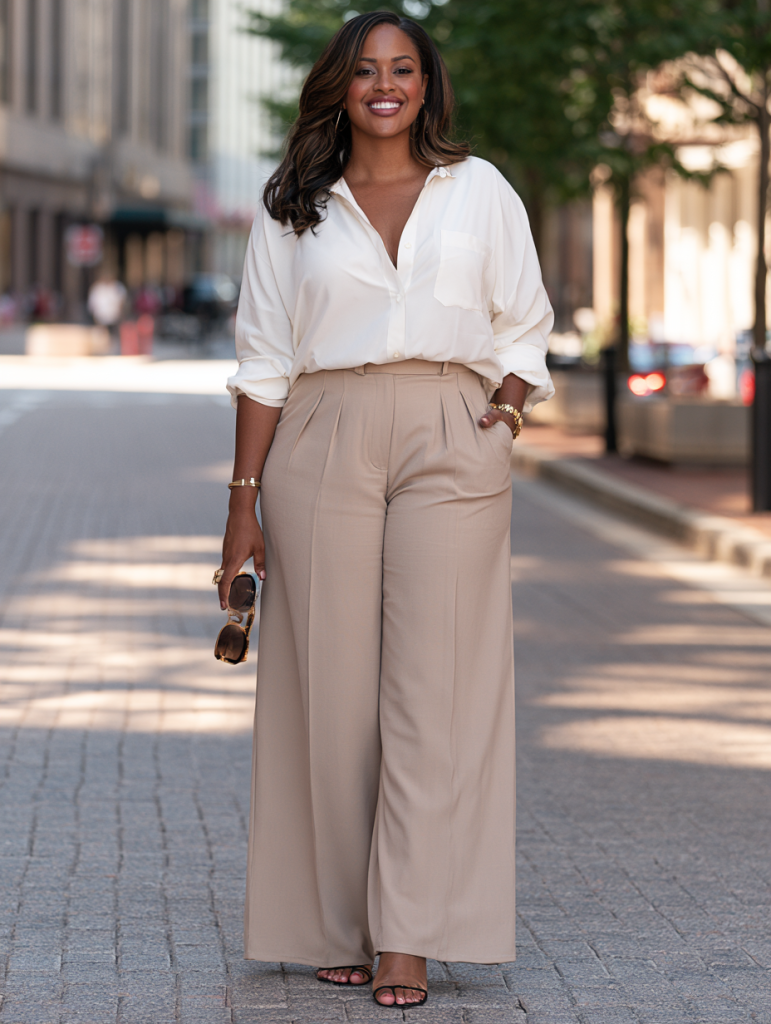
Tuck the shirt neatly or use a controlled partial tuck when appropriate for the workplace. Add a streamlined belt only when it improves the overall fit. Loafers or low heels complement the trouser proportions, while understated accessories maintain a confident professional appearance suitable for numerous interview settings.
Belted Blazer with Ankle Pants
A belted blazer introduces gentle waist definition while maintaining the structured appearance expected from professional interview clothing. Pair it with tailored ankle pants that skim comfortably through the hips and legs, creating balanced proportions without relying on restrictive pieces.
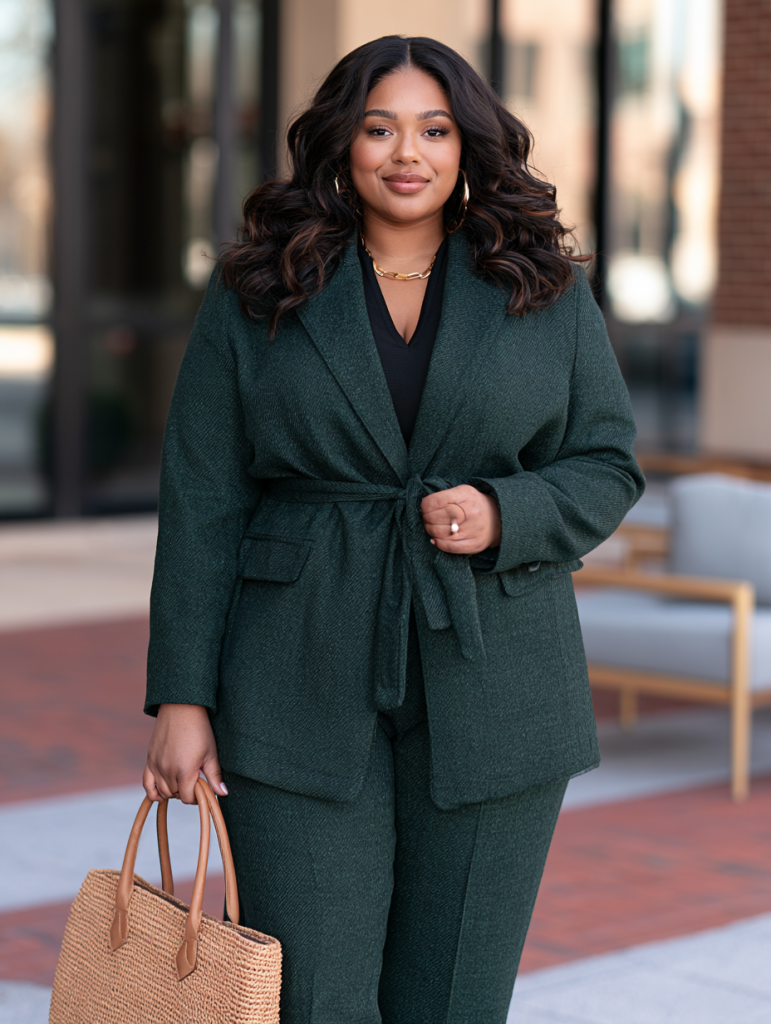
Keep the blouse or shell underneath simple so the belted jacket remains the primary styling detail. Pointed flats, loafers, or low heels work particularly well with ankle-length trousers. This modern combination can transition successfully between corporate, business-casual, consulting, administrative, and client-facing interview environments.
Pencil Midi Skirt with Soft Blouse
A structured pencil midi skirt paired with a softly draped blouse offers a sophisticated alternative to trousers. Choose a skirt with enough stretch or a practical back slit so sitting, walking, and transitioning between interview spaces remains comfortable.
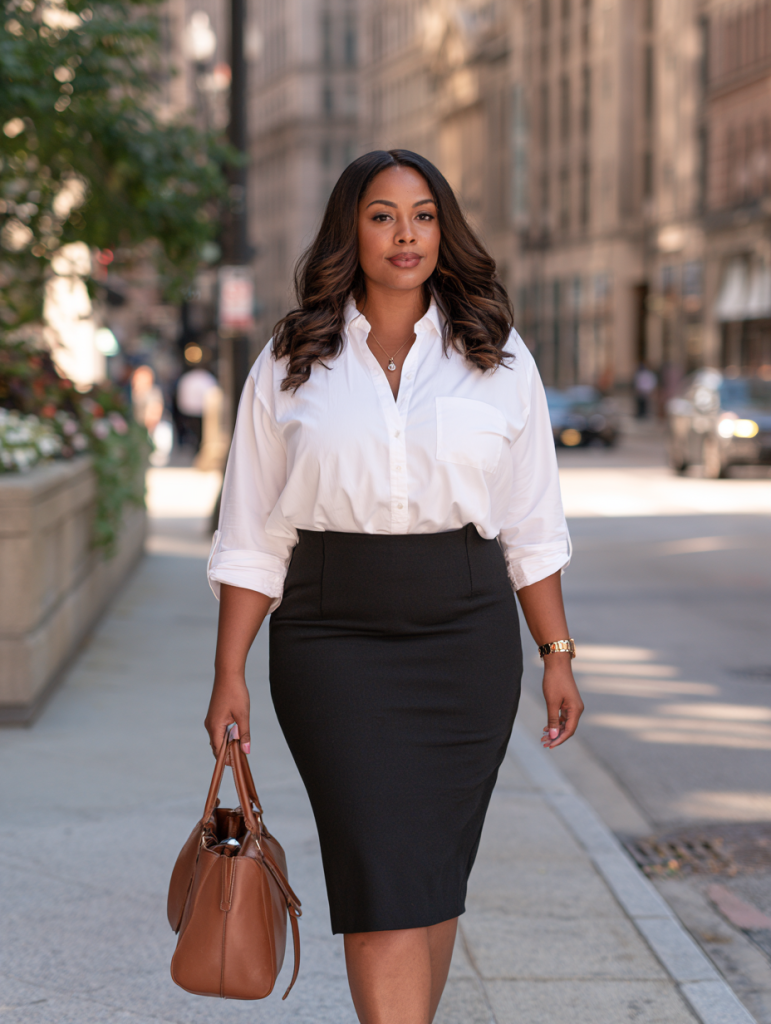
Tuck the blouse neatly to create a polished waistline, then add a blazer if the environment requires more formal dressing. Closed-toe flats or low heels complete the outfit without overwhelming its streamlined proportions. This combination works particularly well for office, education, administration, and professional service roles.
Tonal Brown Blazer and Trousers
Rich brown tailoring provides a polished alternative to black and navy while maintaining the professionalism required for interviews. Pair chocolate or espresso trousers with a coordinating blazer, then introduce a cream, beige, or soft ivory blouse for understated contrast.
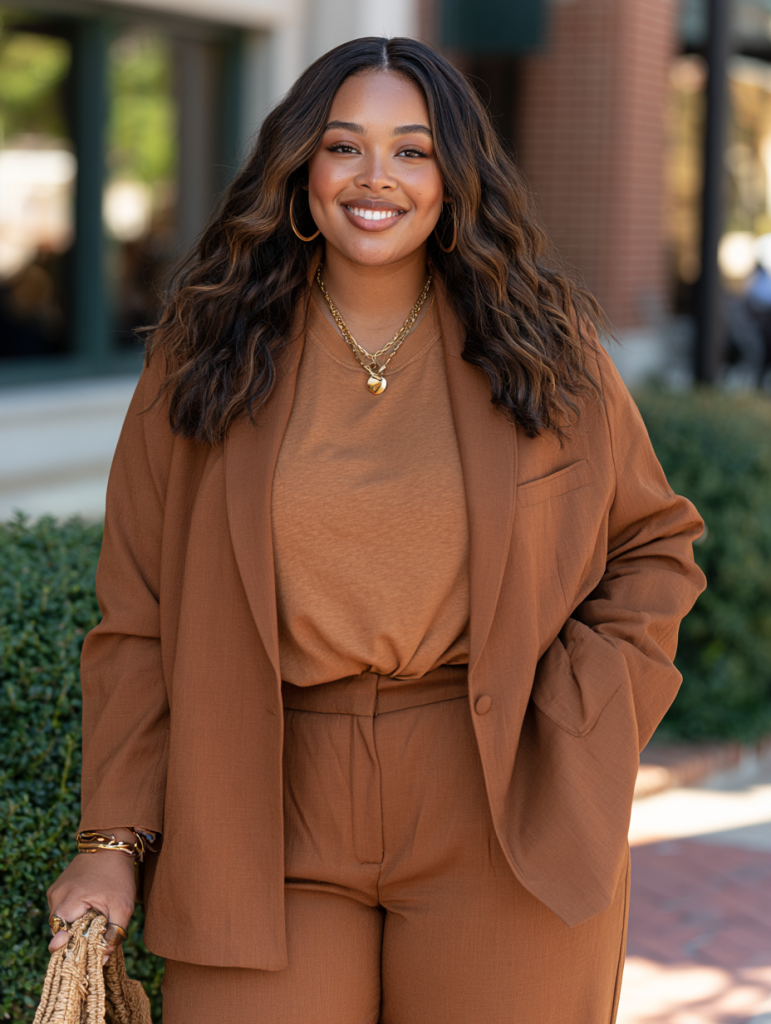
Keep footwear within the same sophisticated palette using dark brown, cognac, or neutral shades. Gold-toned or simple metallic jewelry can add refinement without becoming distracting. The resulting outfit feels warm and contemporary while remaining appropriate for management, corporate, business-casual, and client-facing professional environments.
Cardigan with Pleated Trousers
A structured cardigan can replace a blazer when interviewing within a workplace that follows business-casual dress standards. Choose a fine knit with clean lines and pair it with tailored pleated trousers that provide comfortable room through the hips and thighs.
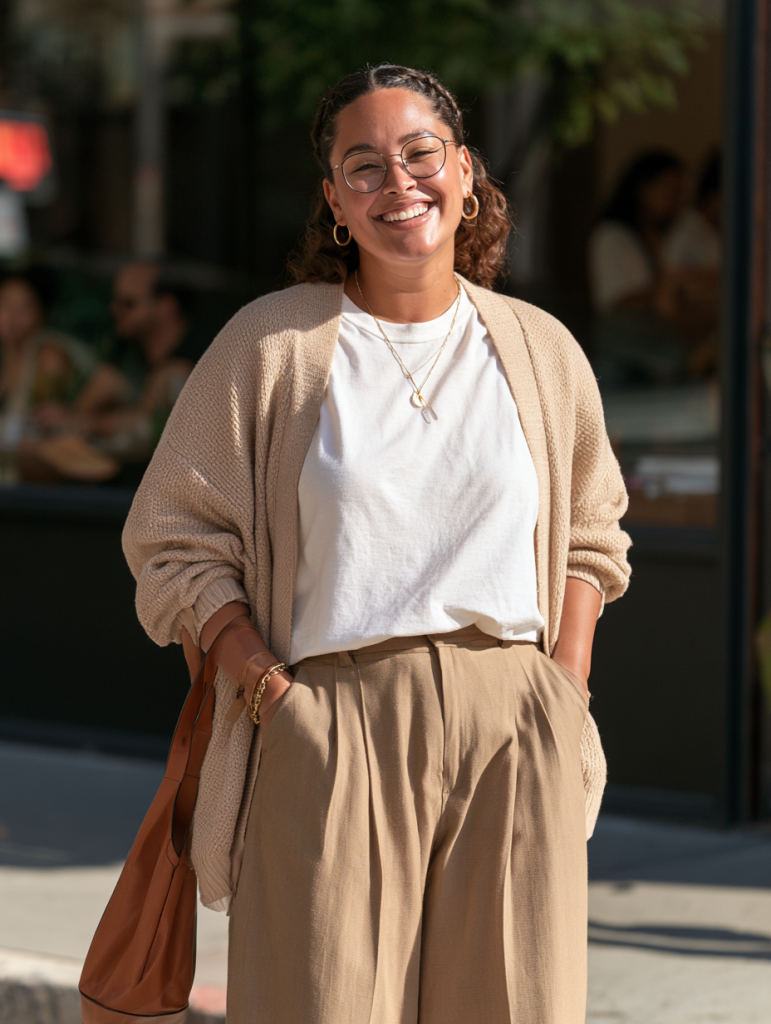
Wear the cardigan buttoned or layer it over a simple shell depending on the desired level of polish. Loafers or refined flats maintain the approachable character of the outfit. This combination works particularly well for education, nonprofit, healthcare administration, creative offices, and less formal corporate environments.
Black Blazer with Burgundy Trousers
A classic black blazer becomes more distinctive when paired with tailored burgundy trousers, creating subtle color without compromising professionalism. Choose a simple cream, white, or pale neutral blouse underneath so the deeper shades remain balanced rather than visually heavy.
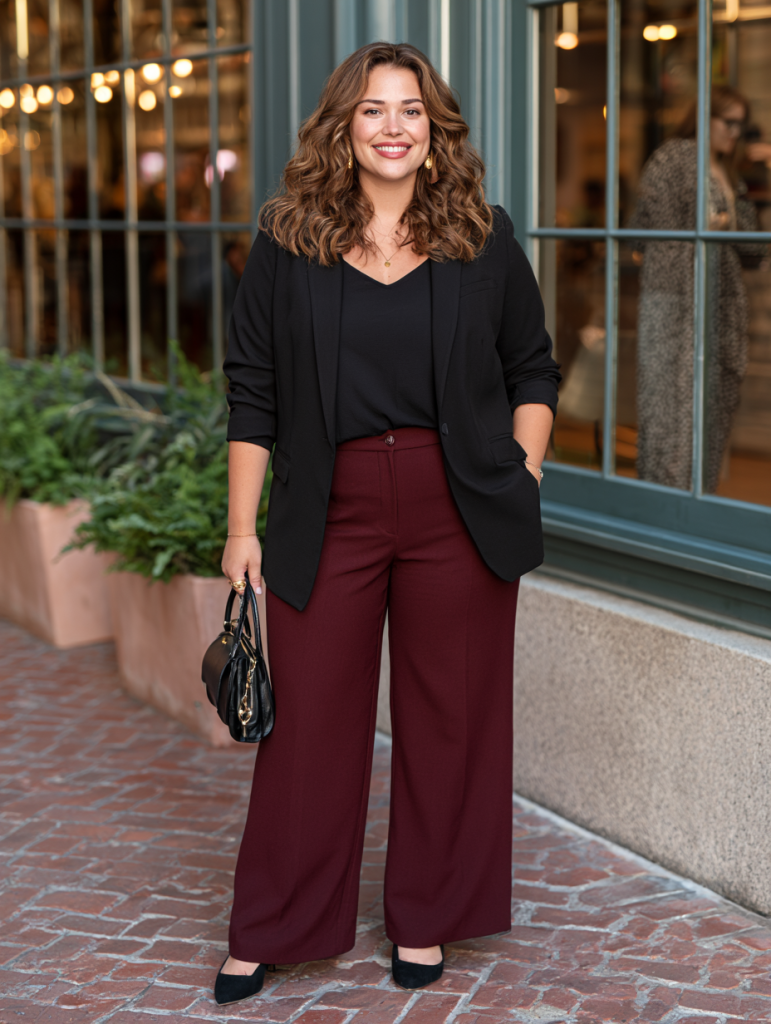
Straight-leg or gently wide trousers provide comfortable proportions and pair easily with loafers, flats, or low heels. Keep jewelry minimal and carry a structured bag in black or another coordinating neutral. This outfit offers personality while remaining sufficiently polished for many professional and business-casual interviews.
A-Line Midi Dress with Cropped Blazer
An A-line midi dress provides comfortable movement through the lower body while maintaining a polished, professional silhouette. Adding a cropped or waist-length blazer creates structure around the shoulders without covering the dress’s naturally balanced proportions.
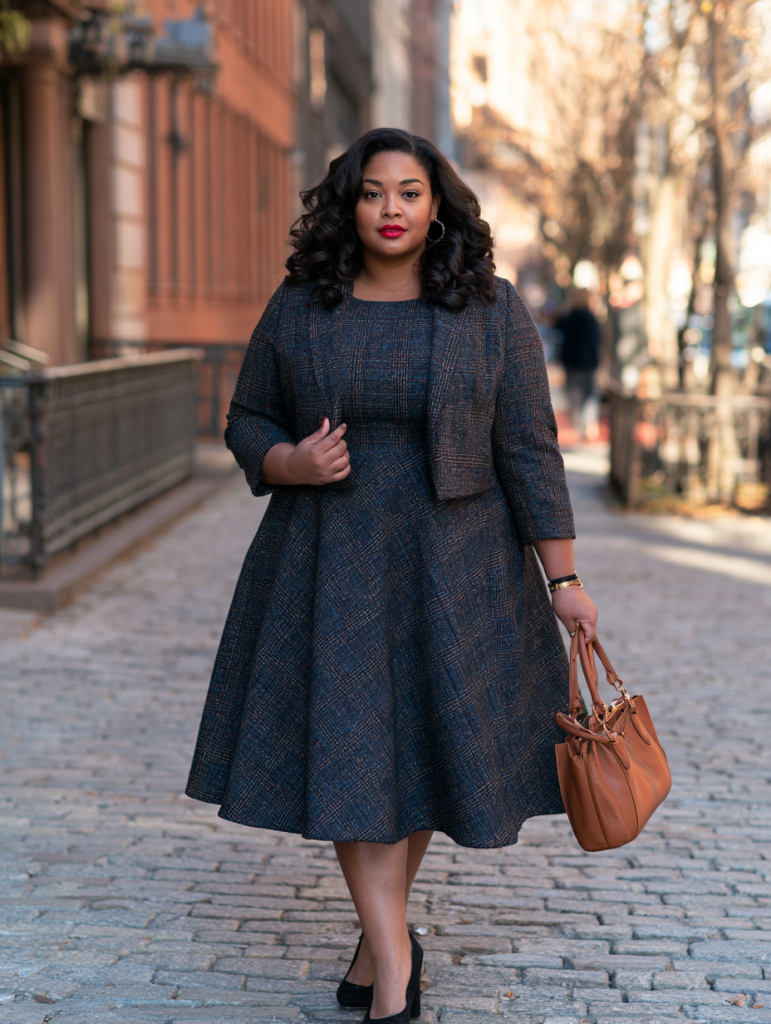
Choose a blazer that finishes near the waist rather than cutting awkwardly across the hips. Complete the outfit with low block heels, loafers, or pointed flats depending on personal comfort. Simple earrings and a structured handbag keep the combination refined, making it useful across corporate and business-casual interview environments.
Matching Vest and Wide-Leg Trousers
A matching tailored vest and wide-leg trouser set provides a contemporary interpretation of professional suiting. Coordinated fabric creates a cohesive appearance, while the sleeveless upper layer introduces modern structure without the additional weight of a traditional blazer.
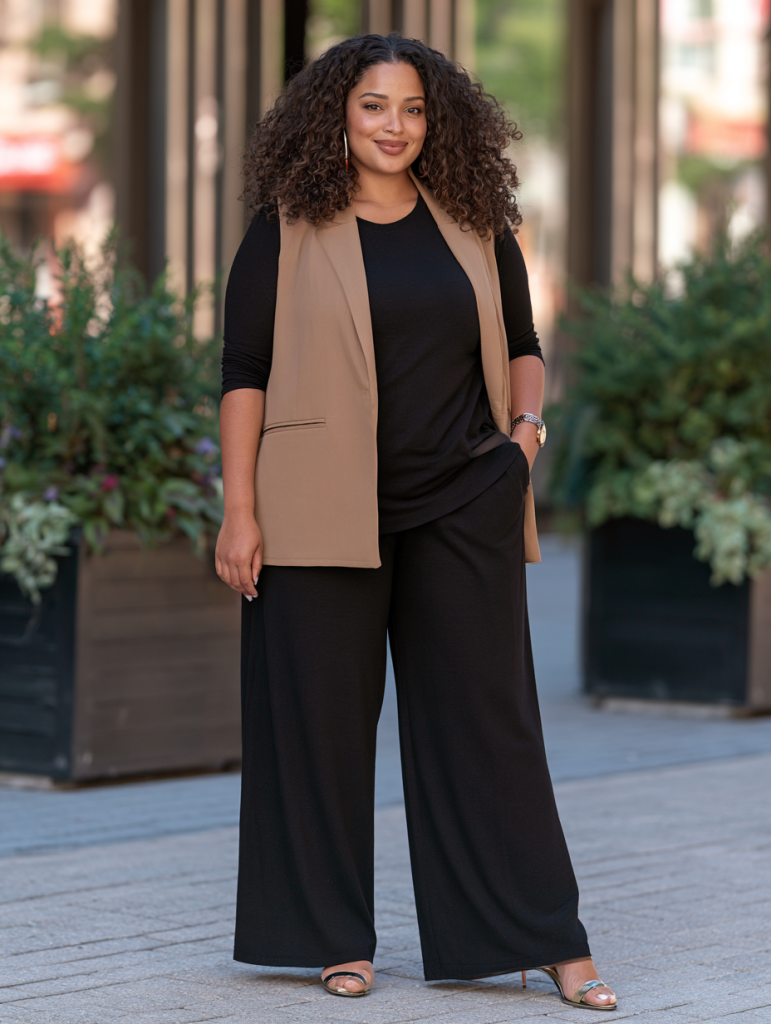
Layer a crisp shirt or refined blouse underneath for greater coverage and interview formality. Keep footwear streamlined so it complements rather than competes with the wider trouser silhouette. This combination works particularly well for creative industries, communications, marketing, fashion, technology, and workplaces embracing modern professional dressing.
Peplum Top with Straight Trousers
A structured peplum top can introduce shape through the waist while maintaining enough room for comfortable movement. Pair it with simple straight-leg trousers so the outfit remains balanced and the architectural upper silhouette becomes the main design feature.
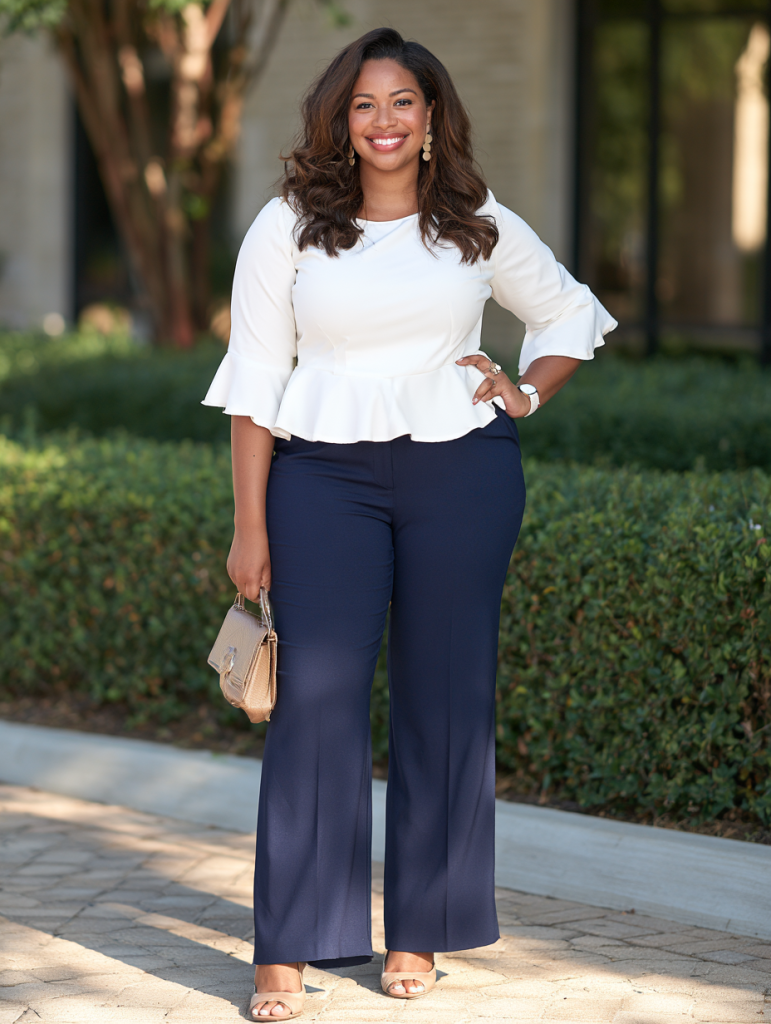
Choose a subtle peplum rather than an exaggerated flare for a professional interview setting. Add a streamlined blazer only if additional formality is necessary. Loafers, pointed flats, or low heels and understated accessories complete the combination, creating an interview outfit that feels distinctive without becoming distracting or overly decorative.
Turtleneck with Longline Blazer
A lightweight turtleneck beneath a longline blazer creates a sophisticated layered outfit for autumn and winter interviews. Choose fine-gauge knitwear that sits smoothly under the jacket, then pair the combination with straight or gently wide-leg tailored trousers.
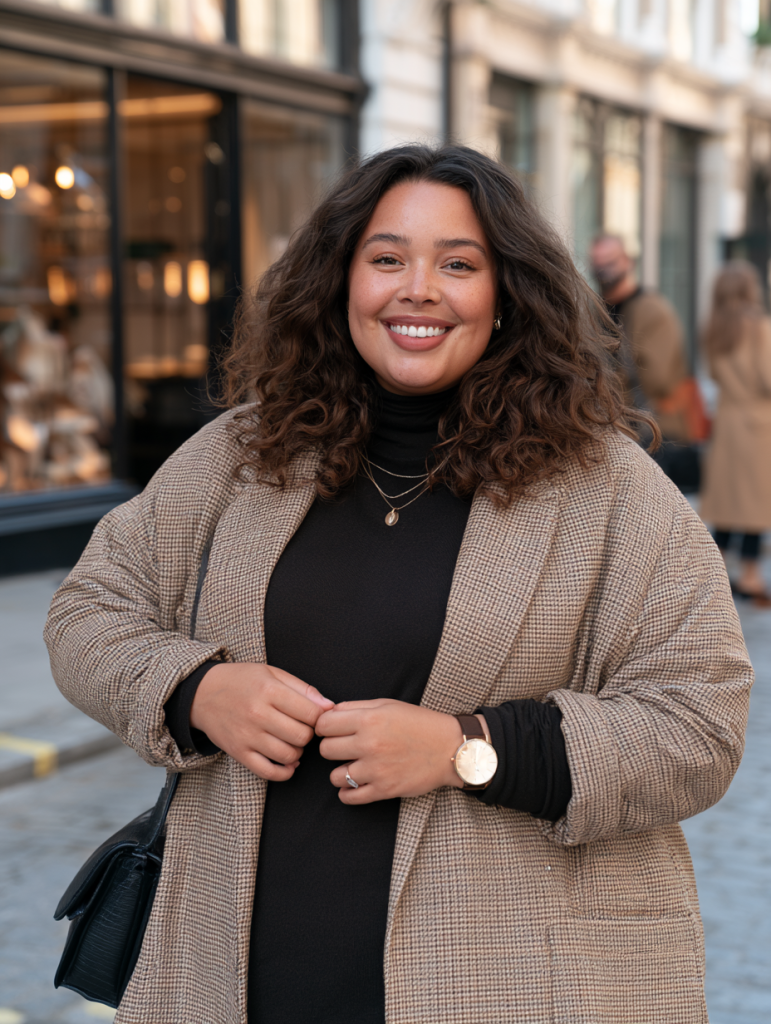
Keeping the colors tonal can create a particularly cohesive appearance, although subtle contrast works equally well. Closed-toe shoes and simple jewelry maintain the polished finish. Avoid thick sweaters that bunch underneath tailoring, allowing the blazer to fall naturally and preserving comfortable movement throughout the interview process.
Coordinated Neutral Separates
Coordinated neutral separates provide flexibility when a traditional matching suit feels unnecessarily formal. Combine tailored trousers in charcoal, taupe, navy, or brown with a complementary blouse and structured blazer, keeping the overall palette cohesive without requiring identical shades.
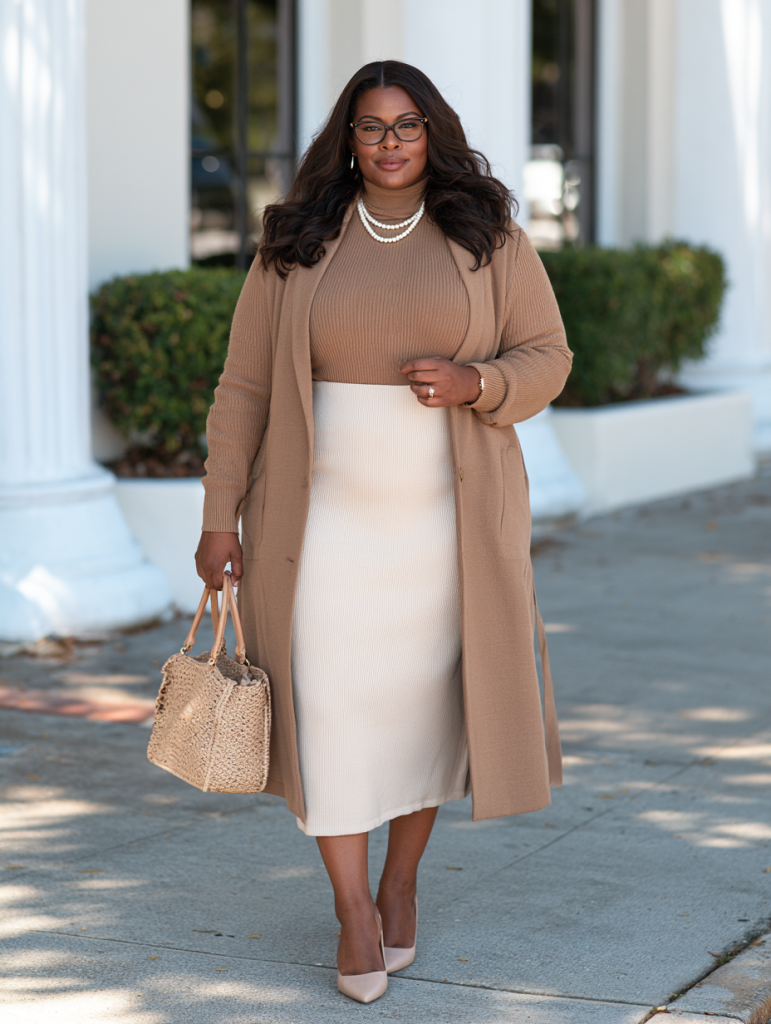
Different textures can add subtle dimension while preserving a professional appearance. Choose comfortable closed-toe footwear and limit accessories to a few refined pieces. This versatile approach allows individual garments to be reworn in numerous combinations, making it especially practical when building a flexible interview and professional wardrobe.
A Smart Styling Formula for Plus Size Interview Dressing
Start with fit rather than the size printed on the label. Jackets should sit comfortably across the shoulders and close without pulling, while trousers should allow easy sitting and walking. Structured fabrics often maintain cleaner lines, although some stretch can improve comfort during longer interviews. Tailoring inexpensive pieces can also dramatically improve their overall appearance.
Keep accessories intentional and footwear clean, professional, and comfortable. Research the company’s dress culture beforehand and generally aim slightly more polished than its everyday standard. Preparing and steaming your outfit the night before also eliminates unnecessary clothing decisions on interview day.
Final Thoughts
Plus size interview outfits can be professional, comfortable, and stylish without relying on restrictive silhouettes or outdated dressing rules. Longline blazers, wide-leg trousers, midi dresses, modern suits, and coordinated separates provide numerous ways to create a confident first impression. The strongest outfit is ultimately one that fits properly and matches the workplace.
Professional style should support your interview rather than become something you constantly think about during it. Choose pieces that allow natural movement and help you concentrate on the conversation. Which combination would make you feel most prepared: modern tailoring, a polished dress, or sophisticated separates?
